
English Lake District
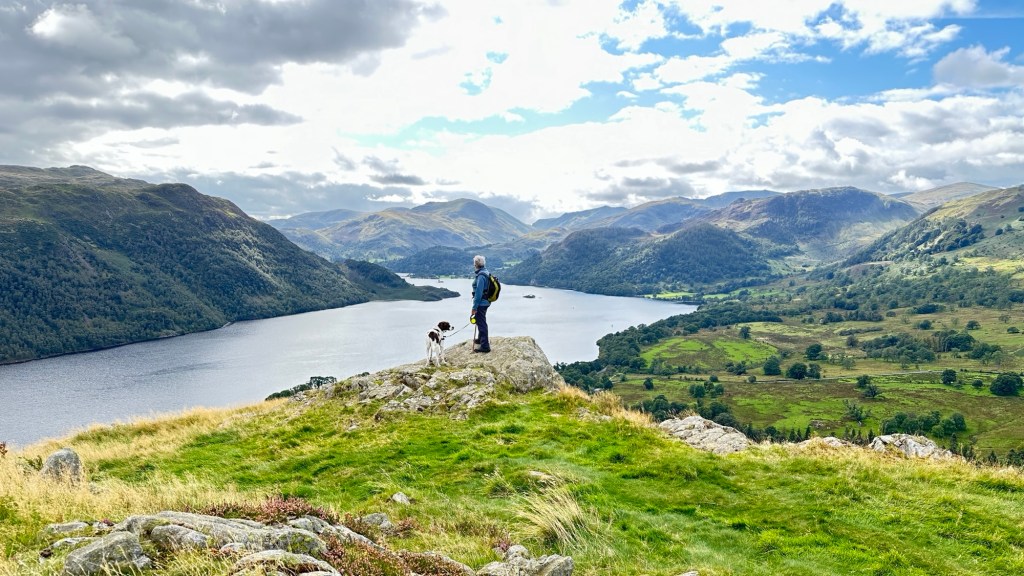
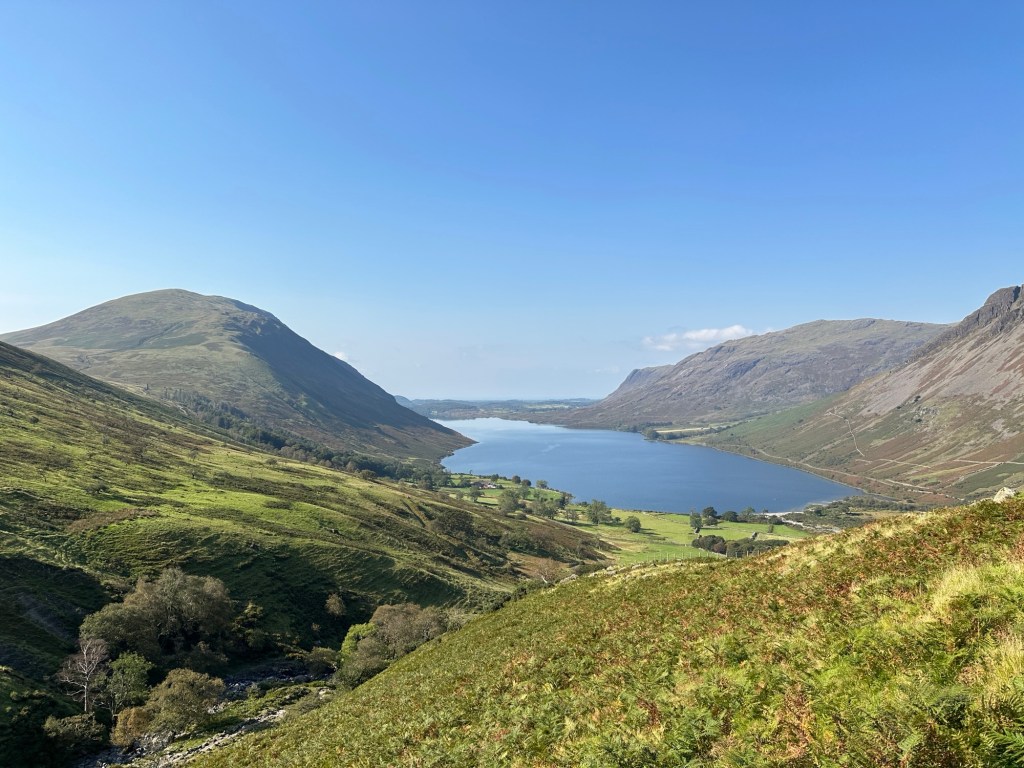
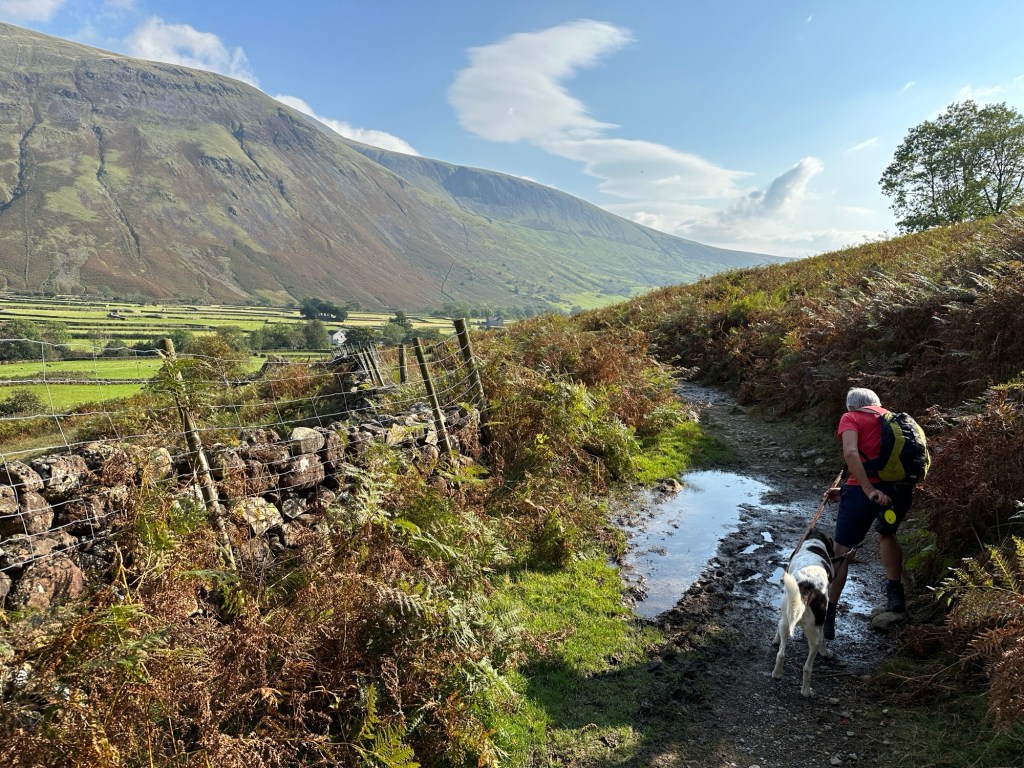
In September I was sitting on the side of a mountain in the Lake District of northwest England, resting on the side of the trail. Behind me was Scafell Pike, England’s highest mountain, topping at 3,209 feet. The weather was ideal for a hike: 65 degrees, puffy white clouds in a deep blue sky, only a very gentle breeze from the south. We were a half mile from the village of Wasdale, which lies just north of Wast Water, one of those famous deep mountain lakes. The campground was full, even though it was mid-September, and the crush of summer tourists was over. Most were climbers, headed to claim Scafell. The dale, or valley, below us was a tic-tac-toe of sheep folds made of tall dry-stacked rock walls. The town itself had only a parking lot for the trailhead, a pub, a small hotel, and a farm. Looking toward the lake we could see a steady line of cars arriving on the narrow road which snaked along the edge of the deep mountain lake called Wast Water.

Across the valley was another mountain, not as tall as the ones behind us, but tall and steep. It was also crisscrossed with rock walls, even high up on the impossibly steep sides. These mountains do not resemble the American Rockies at all – instead, they look more like big lumps of green pistachio ice cream, with steep sides, called fells in the local language, and lumps and some parts melting and others with rocky outcroppings. On the fell opposite was a chaotic scene: a couple of hundred white and black sheep milling around over a wide distance. It was quarter mile away and we could not make out all the details, but the two shepherds were easily identifiable, and we could even hear their shouts. Small black dots zipping around the periphery were border collies. The dogs, at least seven or eight of them, were ranging all over the mountain in search of stray sheep. It looked like utter chaos, but soon the sheep were organized into a steady line, all moving in the same direction, and then quickly through a gap in the wall and down to their winter pasture in the dell.

As we sat on that rock beside the trail, transfixed by the events on the fell opposite, two young men came up the trail toward us. I could hear their conversation as they approached. When they passed by, I said to them, “We are just sitting here waiting for the day to get better.” They were not sure what to think of this statement but said hello as they passed by enroute to the high peaks.
Obviously, our day was already fabulous. No amount of effort on our part could make it better. Earlier in the week we had made an attempt at climbing England’s second highest peak, Helvellyn. We turned back after 2,500 feet of up, at the end of the famous Striding Edge, just at the start of the final climb to the summit ridge. On the way down, Josette told me she was upset that she kept me from making the summit. I laughed. I told her this: “I have told you about summitting some very big mountains, but I didn’t tell you all of the story. I did not tell you about the times I turned around before the summit. I did climb the high point of Wyoming, but it was on my third attempt. The first two efforts were a bust. Just to reach the base of the mountain was a three-day hike, so we only made one attempt a year. When I did make that summit, in 1993, I made it because I had learned from the first two tries. And there are a couple of other peaks I failed the first time.” Relaxing with a pint at the inn at the bottom of Helvellyn, reflecting on the climb, I told Josette that it had been a wonderful day, and I thanked her for going with me. We were tired and hungry but satisfied with our effort. Another fabulous day.
.

We humans are extraordinary creatures. Each one of us has a unique story. You and I and everyone we know have a completely unique lives. I used to think there were good days and bad days. One morning in Spain, an hour before sunrise with rain pouring down, I put on my inadequate rain gear. I had been dreading this for several hours as I could hear the rain pouring off the hostel roof during the night. But the rain stopped as soon as we got out the door, and the sunrise an hour later was one of my best photos. I have better rain gear now, and I no longer dread going out into the storm. Several years ago, in France, we donned our rain gear and headed into the cold driving rain. I had already decided that it was going to be a great day. Our group of three, the “vrais pelerins,” or “true pilgrims,” told stories and sang songs, and took a selfie with the inevitable rainbow. It was a fantastic day. For it had already occurred to me that every day was special, that every day is a small piece of what makes up a life.

Miriam Johnson, who contributes to the Modern Love column in the New York Times, talked about a meeting with her therapist in “The 12-Hour Goodbye That Started Everything.” Her therapist said, “There is no rule that a relationship must last a certain amount of time to count as a “success”, just as one that ends hasn’t necessarily “failed.” Every relationship we have, short or long, can be good, essential, even transformative, and have lasting value. It’s not about getting over and letting go, it’s about honoring what happened. You met a person who awoke something in you. A fire ignited. The work is to be grateful. Grateful every day that someone crossed your path and left a mark on you.”
I have had a number of relationships which didn’t last that long, and some that did. I learned from all of them. I’ve done my best to remain on friendly terms with the women in those relationships with me. I have about a 50% success rate on that.
Friends of mine in prison have told me, “I am who I am because of the sum total of my experiences.” A friend of mine who is a psychologist and did some jail ministry for a while here gave them a notebook and asked the jail inmates in the program to write 250 words a week on their story. Many were surprised by what they learned about themselves and why they found themselves in jail. You think that would be obvious, but many of these people weren’t clear how that all happened to them.
Heraclitus, a Greek philosopher who lived both sides of 500 B.C., said “No man ever steps into the same river twice, for it’s not the same river and he is not the same man.” We are in a constant state of change. I am a different person than I was ten years ago. Walking the California Mission Trail in 2021, I learned about Friar Junipero Serra. He was a Franciscan priest around the time of the American Revolution who built many of the famous missions in California, all of which still exist. His motto was, Siempre Adelante, always forward. You cannot go backward. Do not spend too much time fretting about the past. There is only direction to go, and that is forward, and that decision is yours and mine to make, each and every day.
We stood up and continued down the slope to the pub and a pint of cask ale and a lovely sandwich. Another fabulous day..
Siempre Adelante. Always forward. Have a fabulous day!
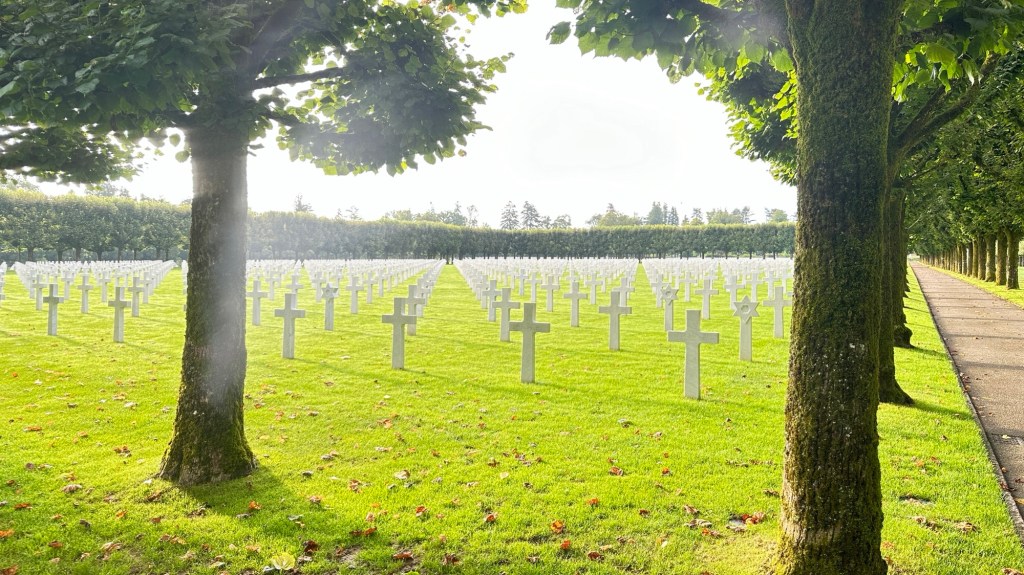
We drove the route taken by the US 3rd Army to relieve the 101st Airborne Division in Bastogne, December 22-26, 1944. It begins in Fauviller, five miles north of here.

I found the route map on Wiki.LOC, an app I use to track walks. The route is all on paved roads; there is a short section on a gravel forest road we went around. it’s 20 kilometers total.
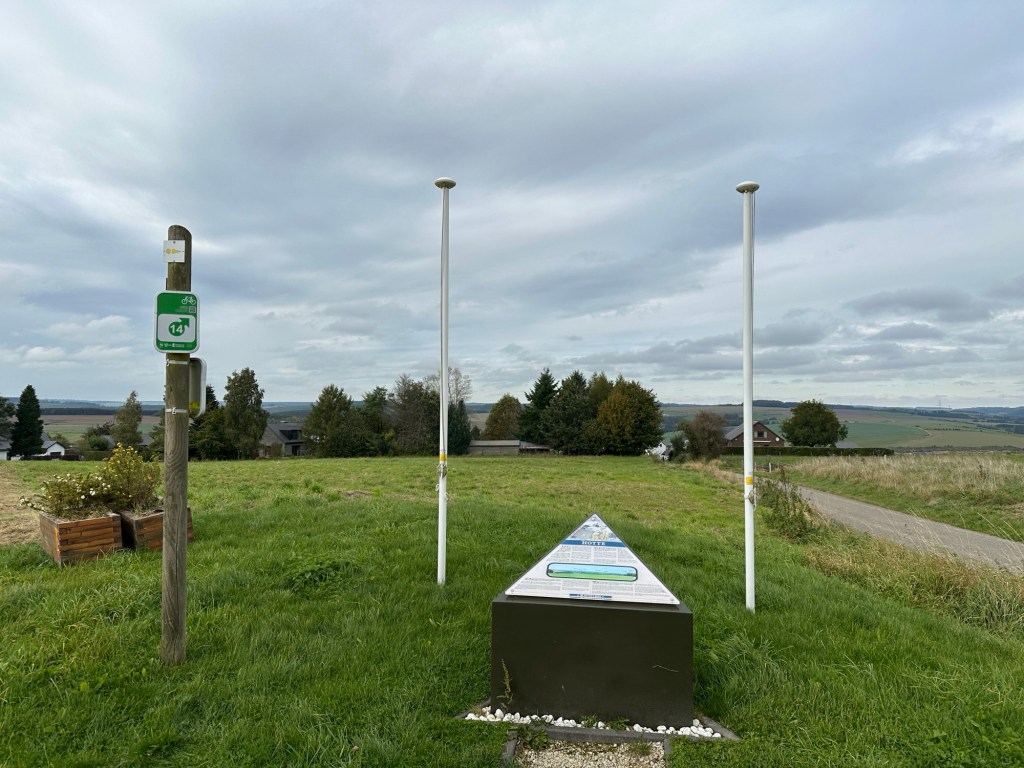
This is looking back to the south; up to this point the Americans met no significant resistance from the Germans.
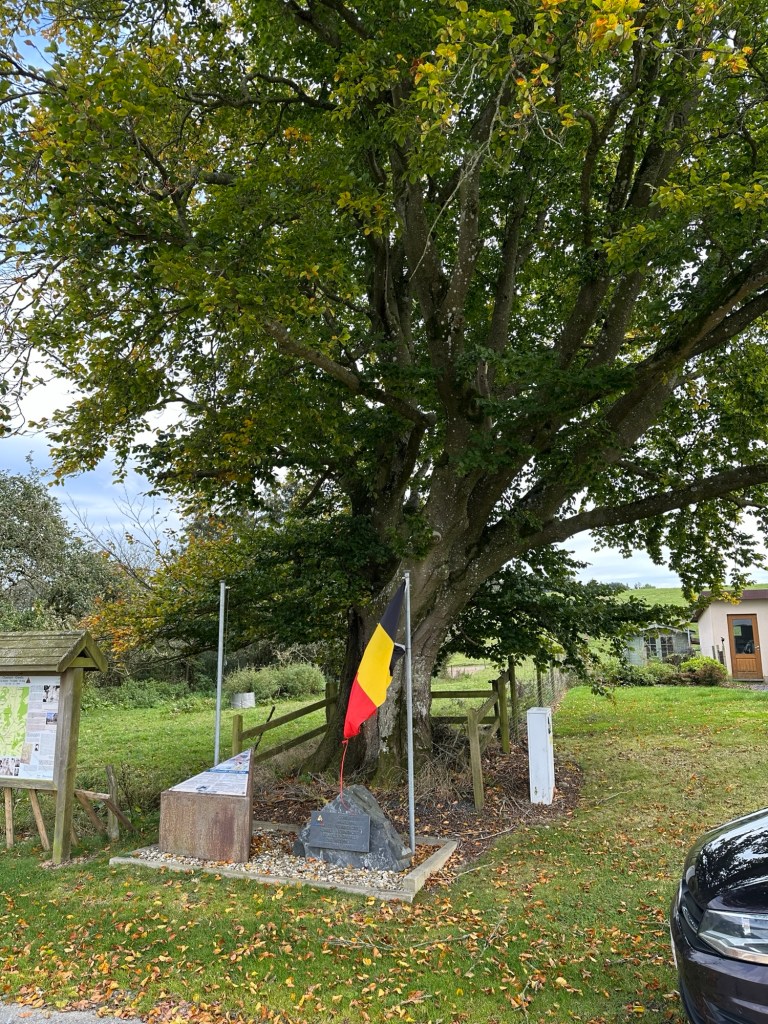
At this tiny village, the advance was stopped by fierce resistance. There was 3 inches of fresh snow on the ground.
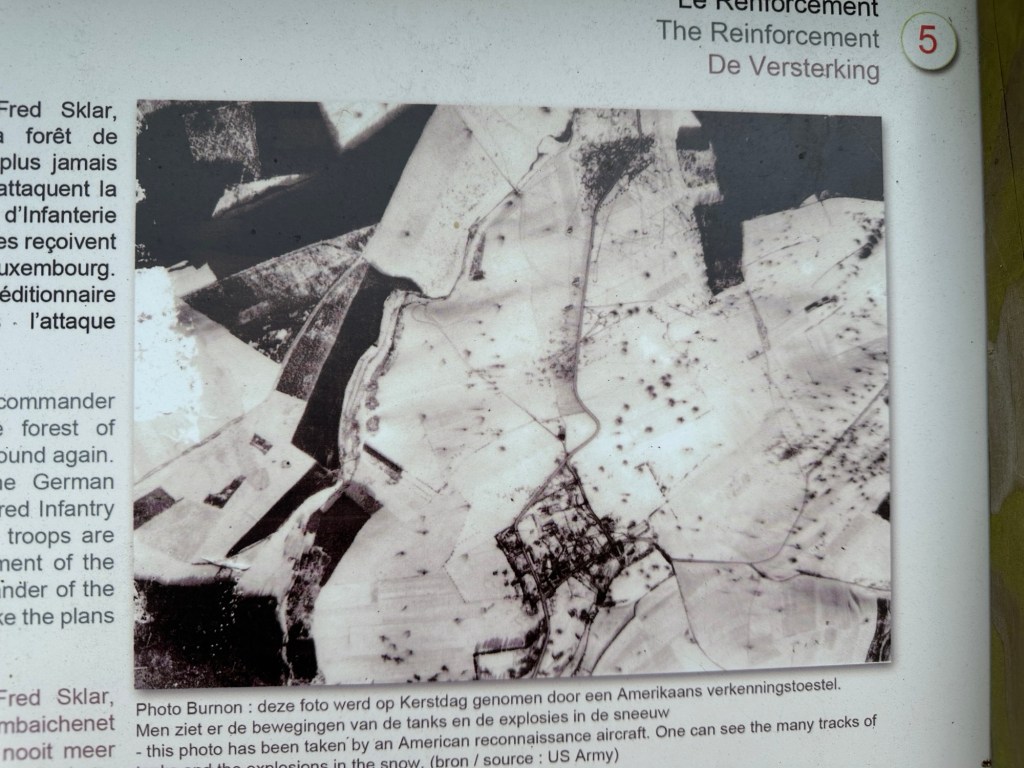
Shell holes are visible in this aerial photo . The American commander was Major Irzyk, who proved to be an excellent leader in battle. The Americans lost 11 tanks here, and Irzyk retreated, the tank going backwards as fast as it could go with Irzyk giving the driver (who could not see where he was going) verbal directions. They were hit and Irzyk was wounded. They broke through the following day.

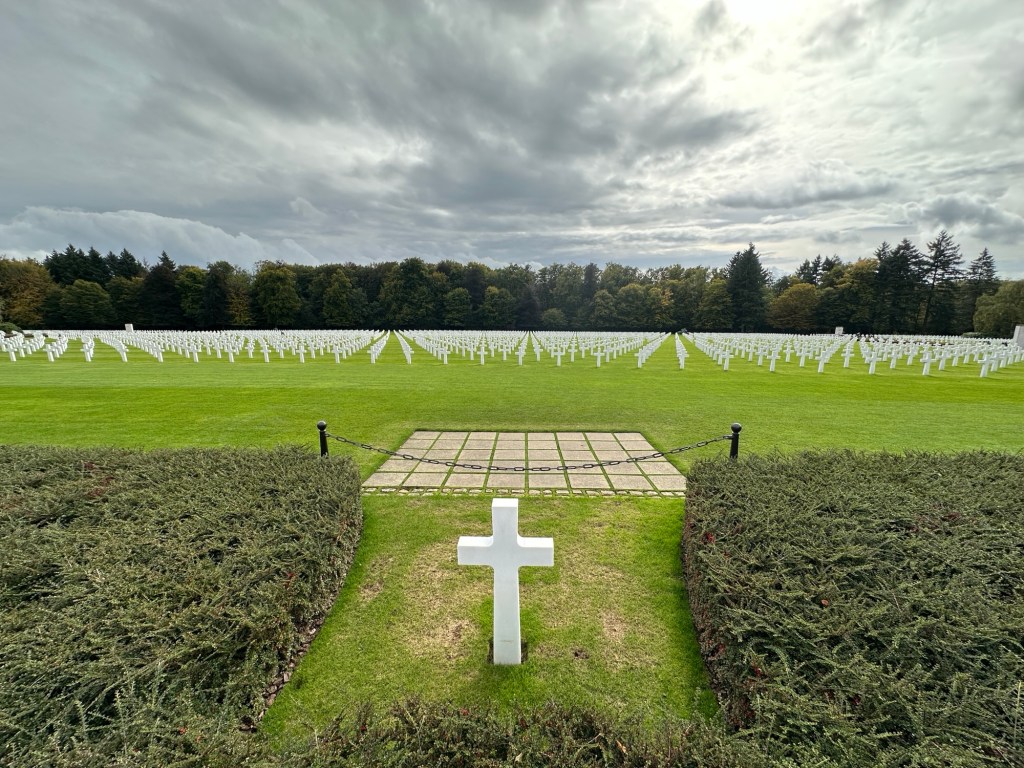
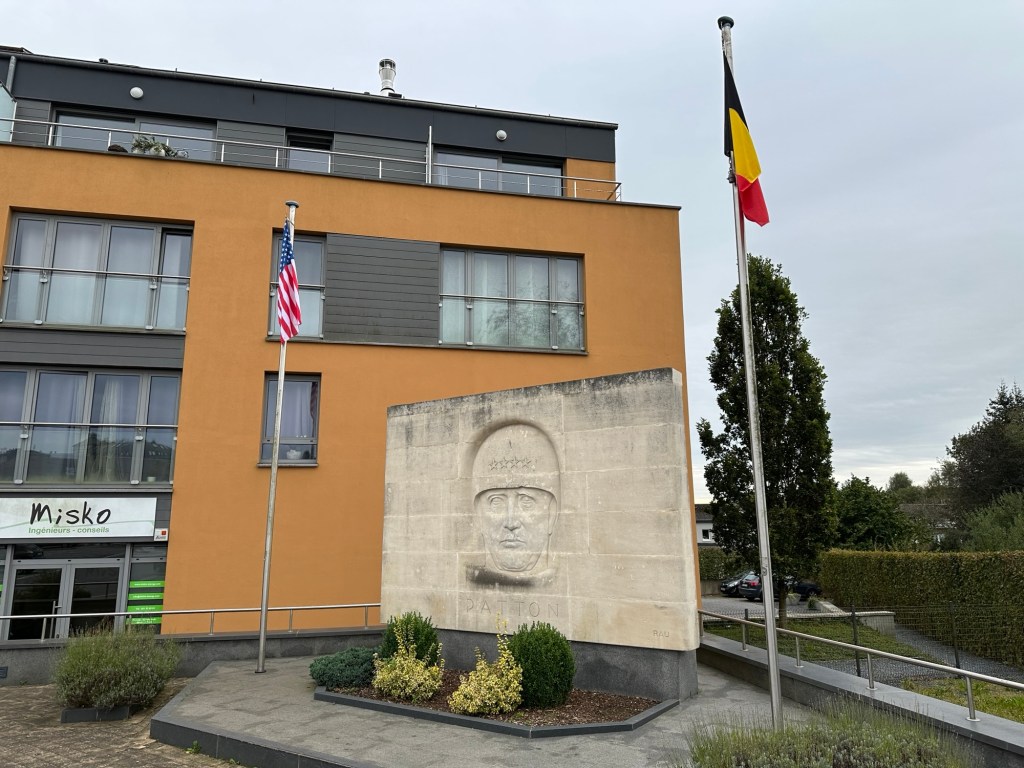
Patton’s headquarters was in Luxembourg. He died in an auto accident in Germany a year later. He was 60 years old. He is buried with 5,070 of his soldiers in the American military cemetery in Luxembourg.
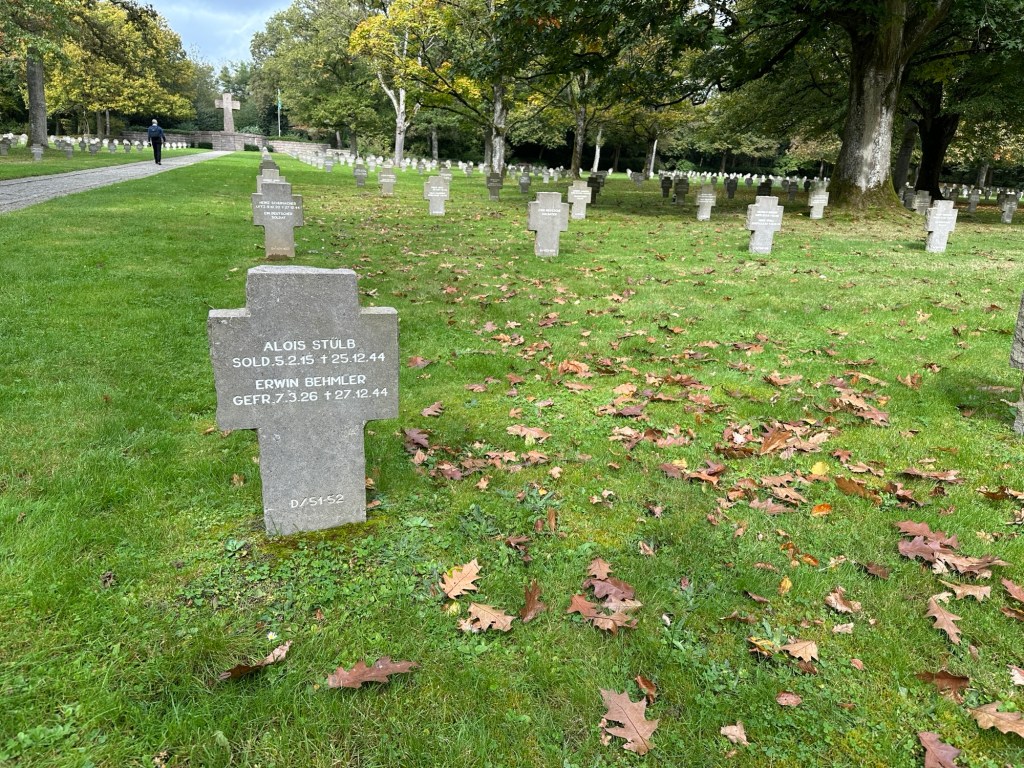
Nearby are the graves of 10,319 German soldiers in the Sandweiler German Cemetery
There is a lot more to this story. Two young American soldiers were awarded the Congressional Medal of Honor for their heroic efforts during this four day battle.
https://www.cmohs.org/recipients/james-r-hendrix
https://www.cmohs.org/recipients/archer-t-gammon
https://ardennes-breakthrough-association.com/nl/irzyk-albin-f-4th-armored-division/
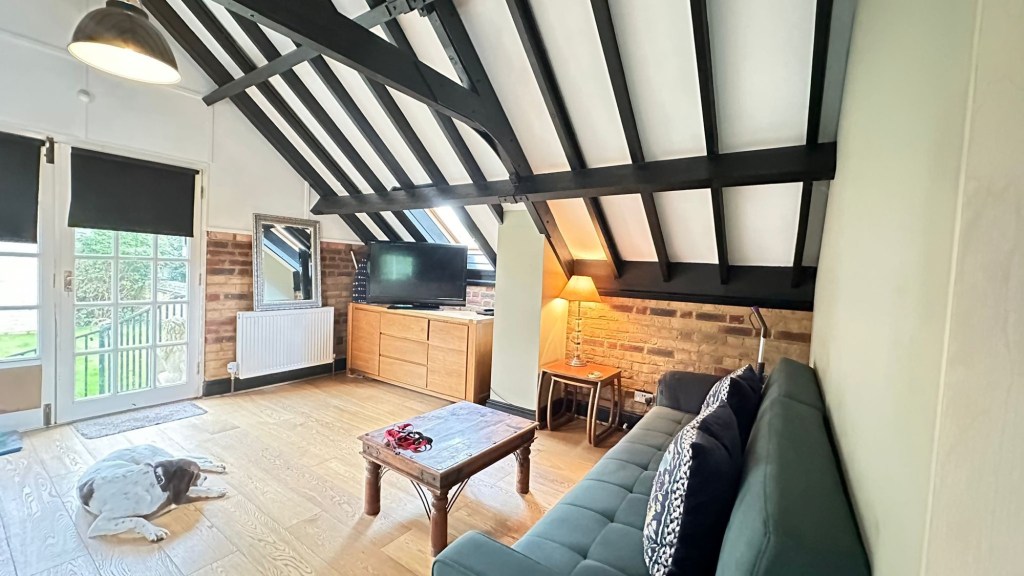
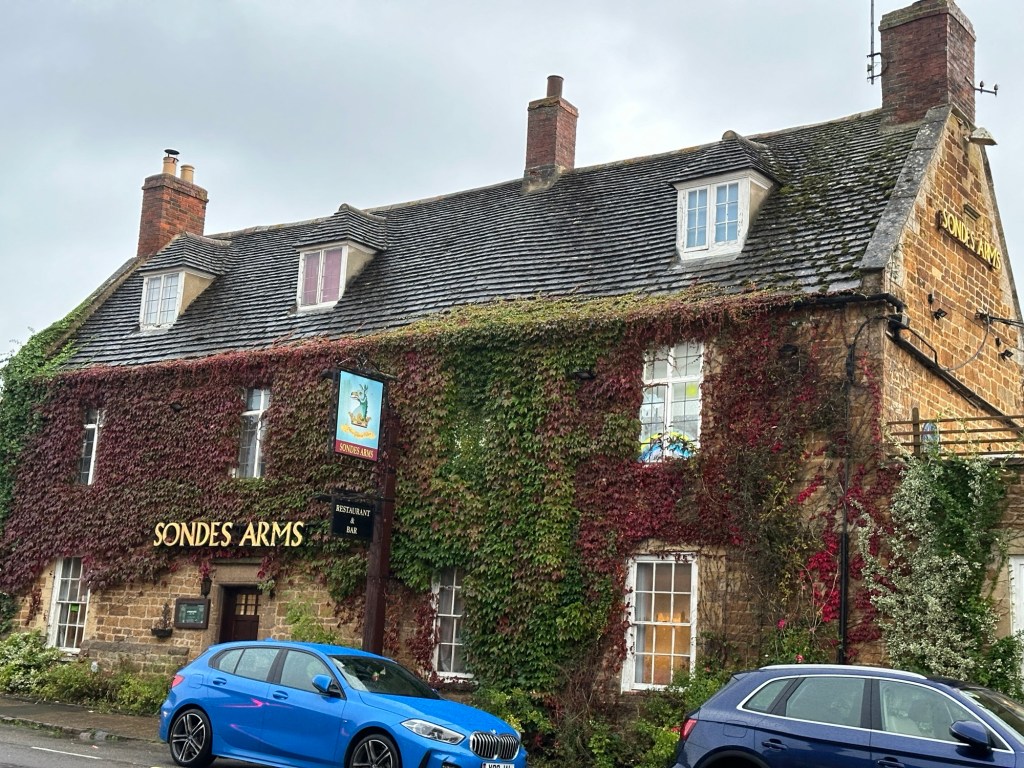

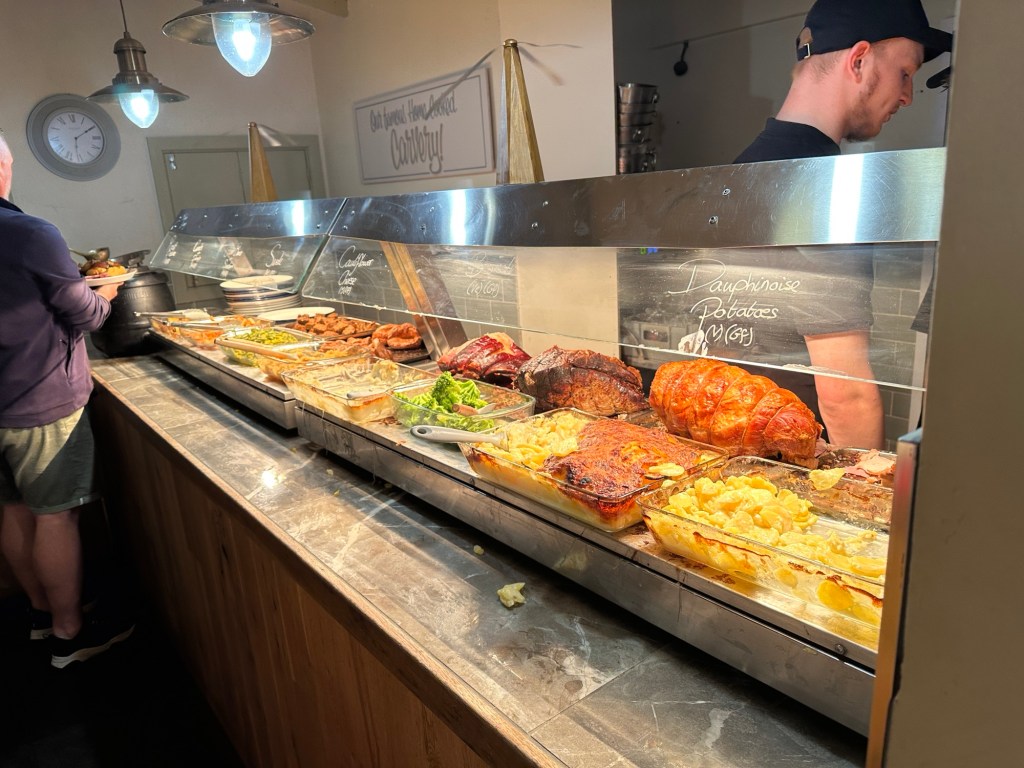
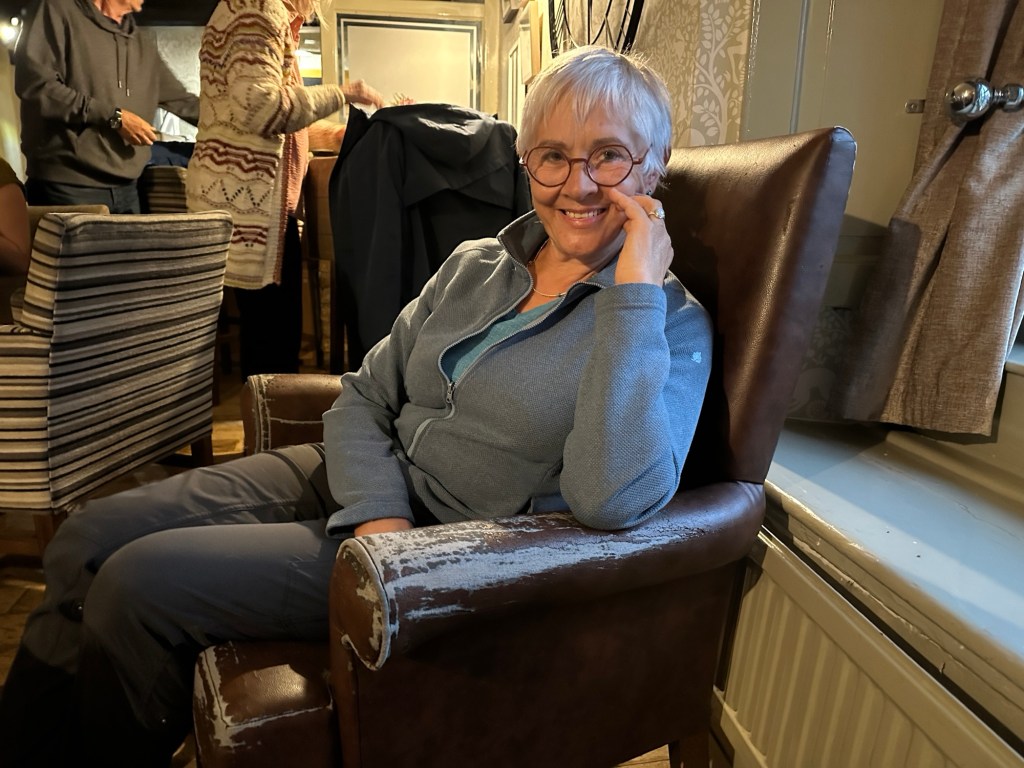
We are in an Airbnb in the village of Rookingham. The pub is 100 yards around the corner. We are cooking tonight, but I think it would have been necessary to book a table to eat there. Sunday night at 6, and it’s full. I like to visit pubs because we just don’t have the equivalent.
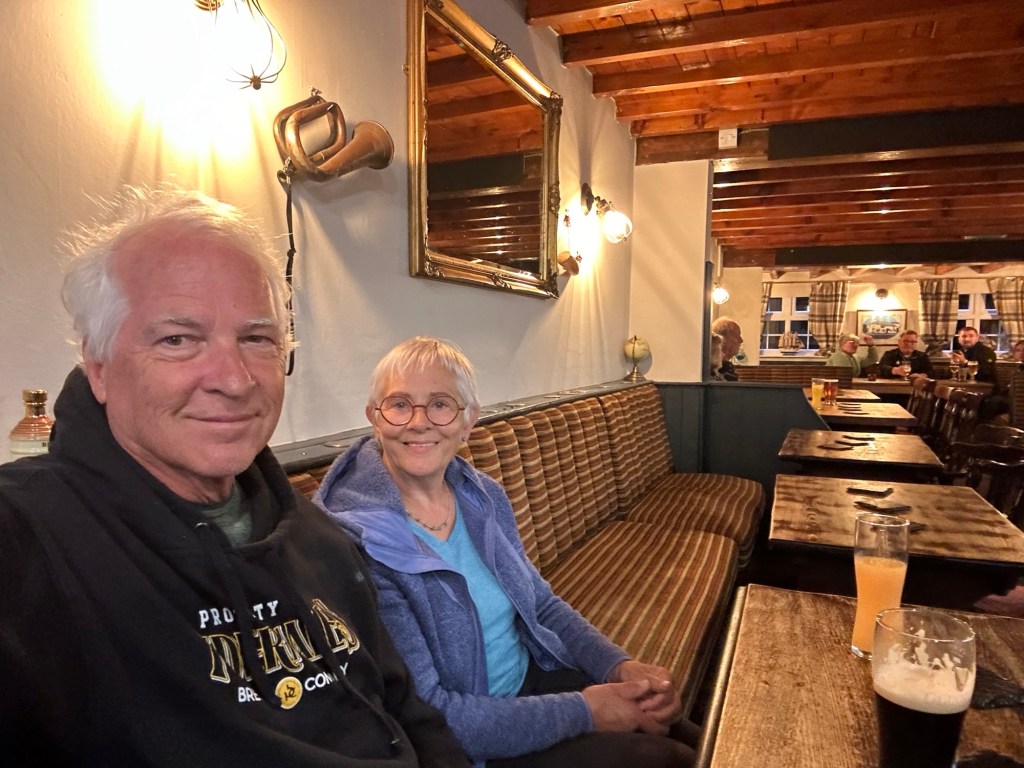
Last night we were not able to find a campsite so we booked a room in this very old pub. It’s a very personal place, and we were the only non- residents of the village. It was $100 plus dinner and beer, under $50, and quite good.
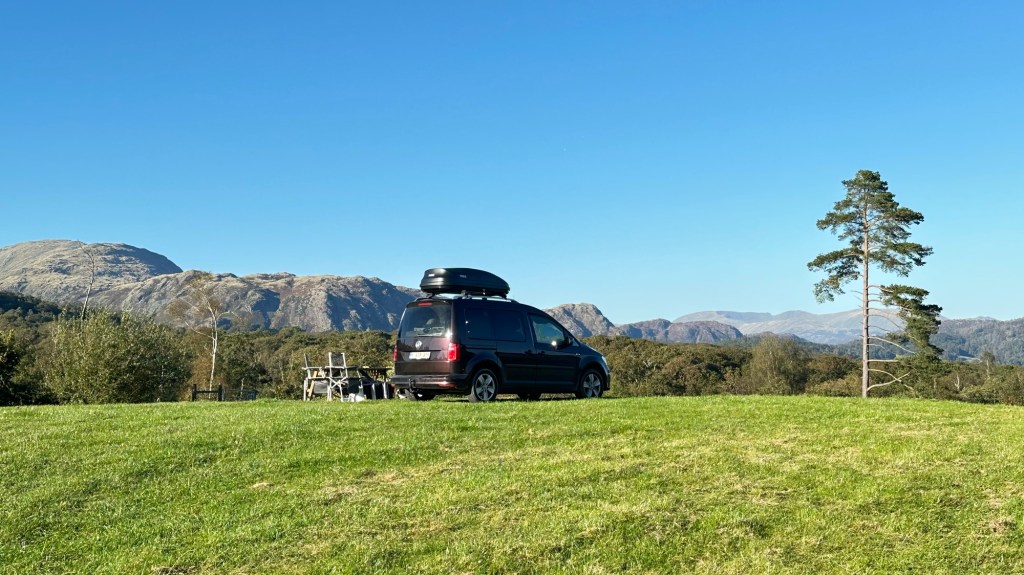
We have been camping until last night, 13 nights in all, until last night. But the weather has been fantastic and it was easy to find campsites. Google “campsites near me” isn’t always helpful, unless you’re looking for a campground in California. Many don’t take our setup, etc, etc. last night we opted for Booking.com. I had fish and chips and Josette had lasagna, both judged perfect. Now it’s raining.

We went to York today. The York Mnster was occupied with services until afternoon and they didn’t allow dogs. Plus, it was eighteen euros. Instead we took a ride on a riverboat.


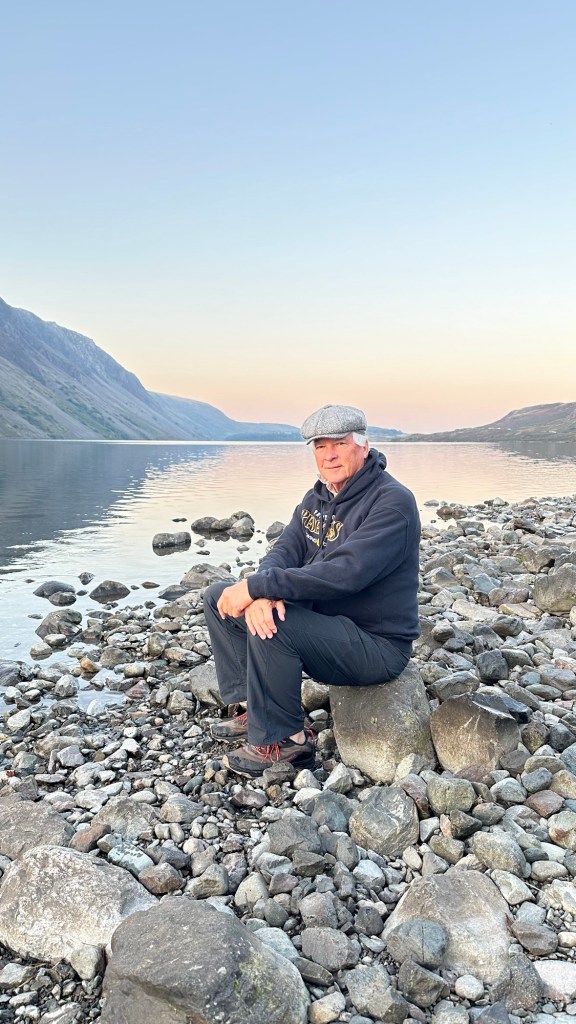
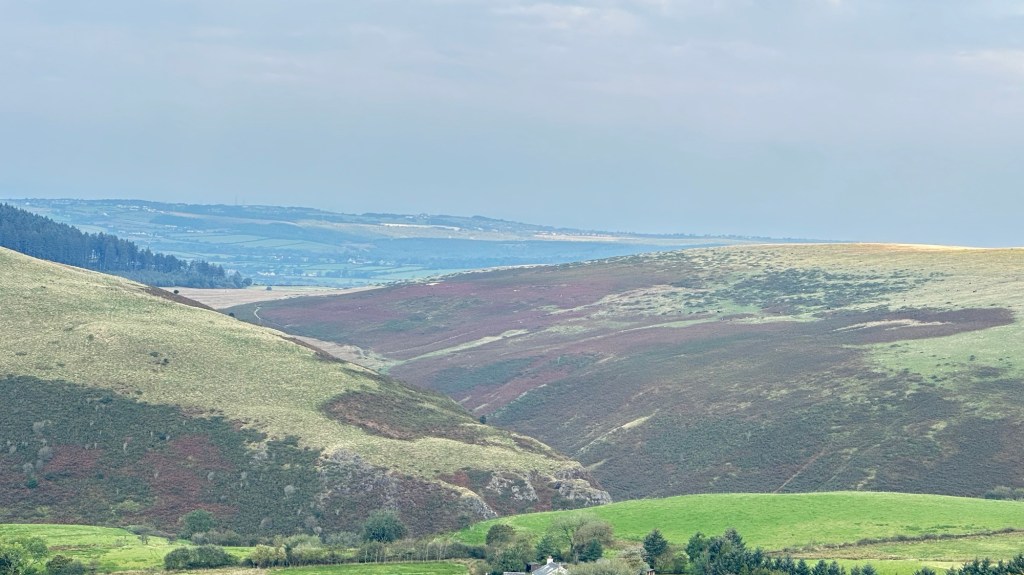


Tomorrow we are taking the ferry from Dover to Calais,?then staying in an Airbnb there. Tuesday, “Home”.

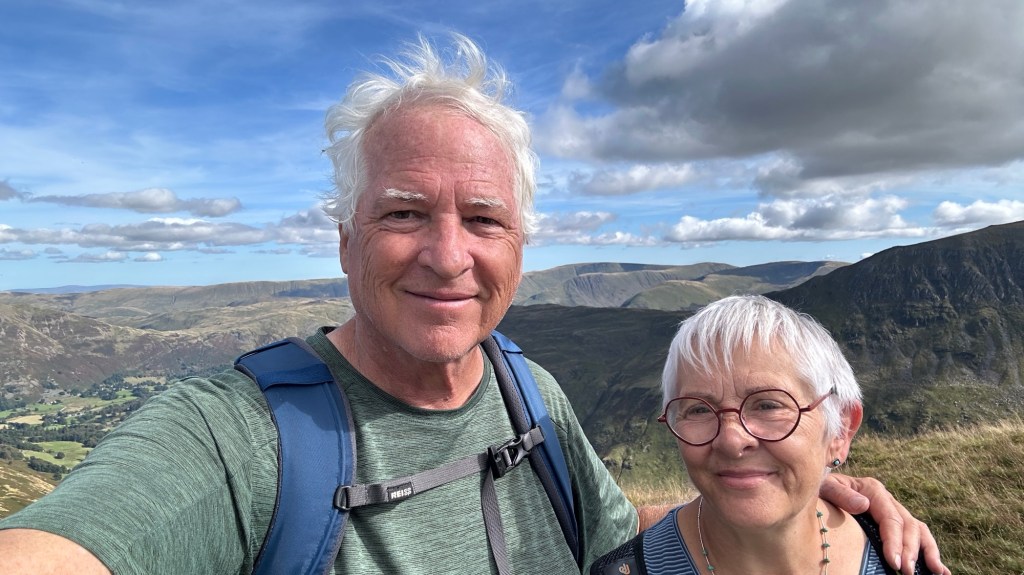
We made an attempt at Helvellyn on Monday. We weren’t quite up to it, but almost; we did 2,500 feet of up and 8 miles. The last part of the approach to the summit ridge is called Striding Edge, a narrow jumble of pointed boulders. It’s the second highest peak in England, and now we are camped at the base of The highest peak, at 3,200 feet, Scafell. We are still tired from Monday, so we aren’t trying it.
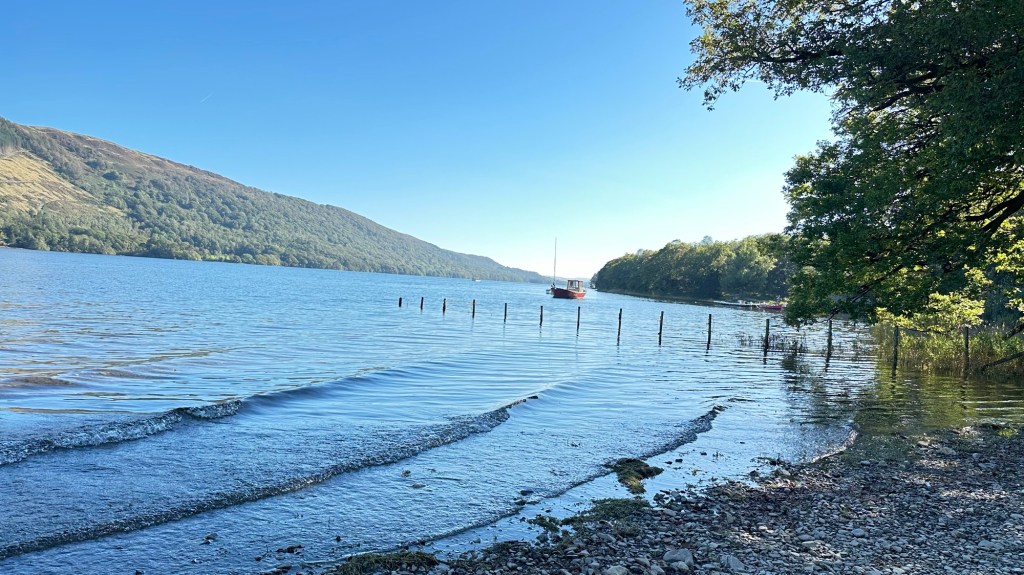

We moved to a different lake, Coniston Water and a very nice farm camp a couple of miles south of Coniston. We hiked around Tarn Hows, donated to the National Trust by Beatrix Potter. In the afternoon I inquired of some walkers about a good path and did a delightful 7 km along rivers to three villages making a triangle, one of which had a good bakery (they are in short supply in England).






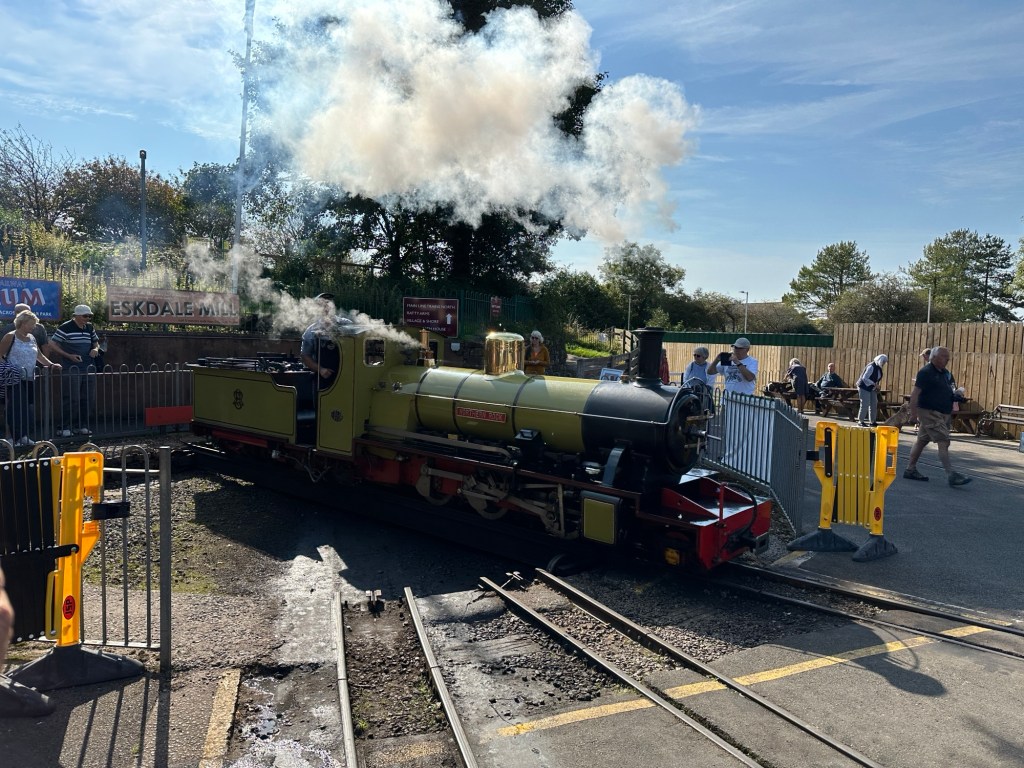

A camper told us about a railroad trip, which we did today. It’s a real train and local railway from 100 years ago, but it’s quite small. Top speed is about 20 mph and the entire route is 7 miles. There are tiny “stations “ along the way where walkers catch the train to make combinations of walking and riding. The scenery was beyond charming. We ended up at Ravenglass, a second century Roman village on the Irish Sea. Isle of Man is not far away. The train westbound was coal-steam powered, coming back was die (but still 100 years old).


Afterwords we drove along the deepest lake in England, Wastwater. 259 feed deep. Our progress to our campsite was stopped for almost two hours by a motorcycle accident a couple of miles north. While we waited by the lake two F15s came by low and fast, and a few minutes later, two Typhoons came by, rolling over the peaks.
We plan two nights here at the end of Wast Water at a National Trust campground, Wasdsle.
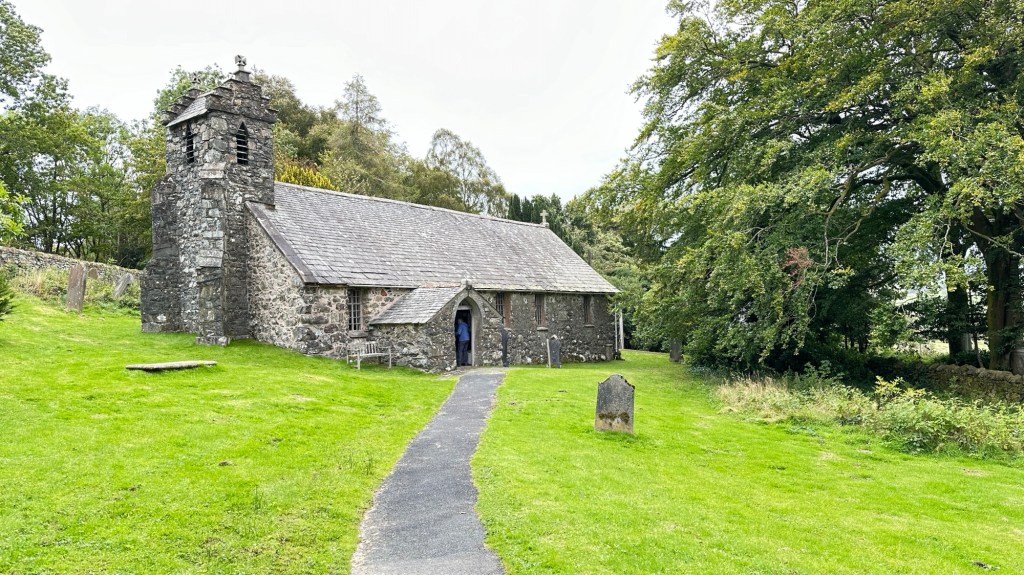
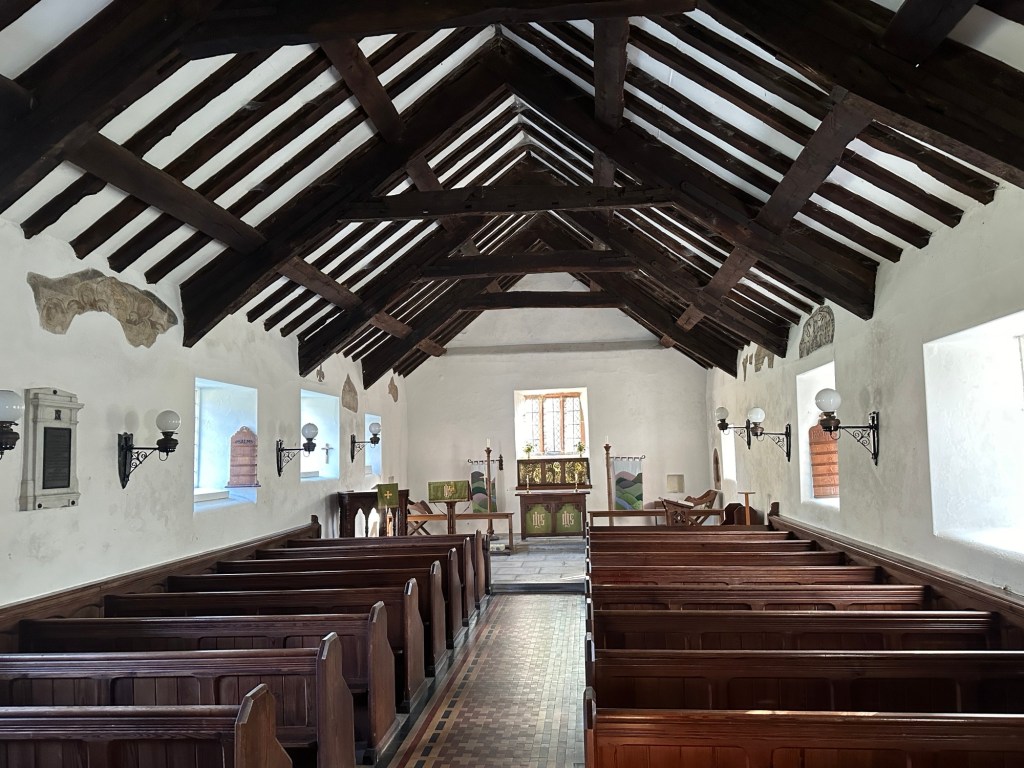
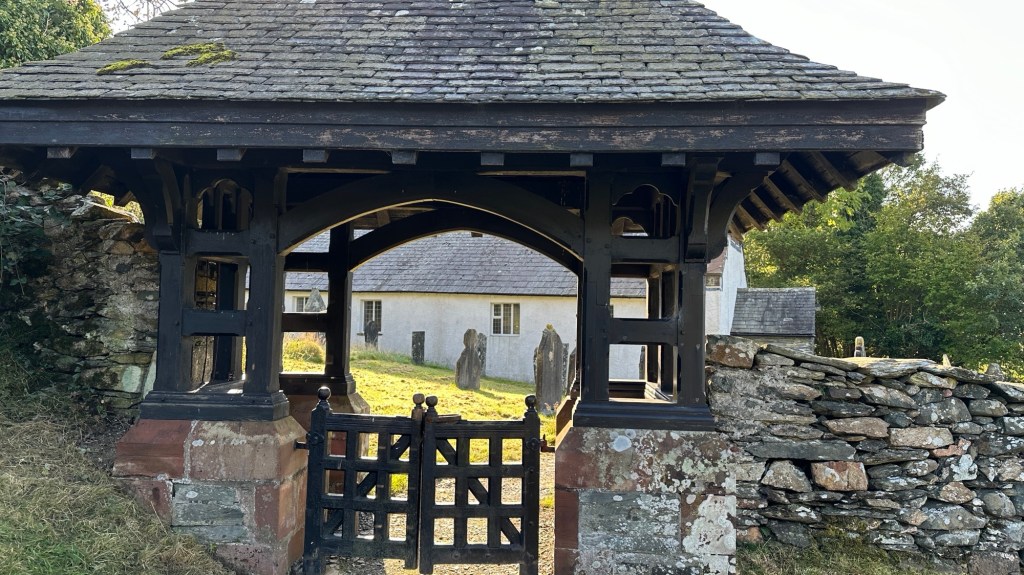
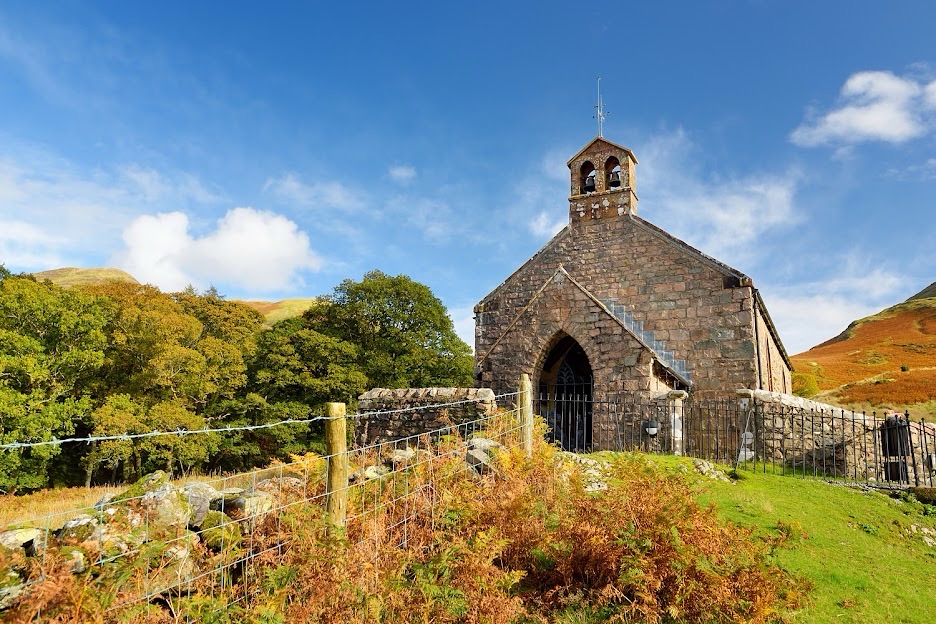
This very old church still exists for its people. it and the grounds and its graves are well tended. The village it serves is now quite small. Many of the houses around here are B&Bs.

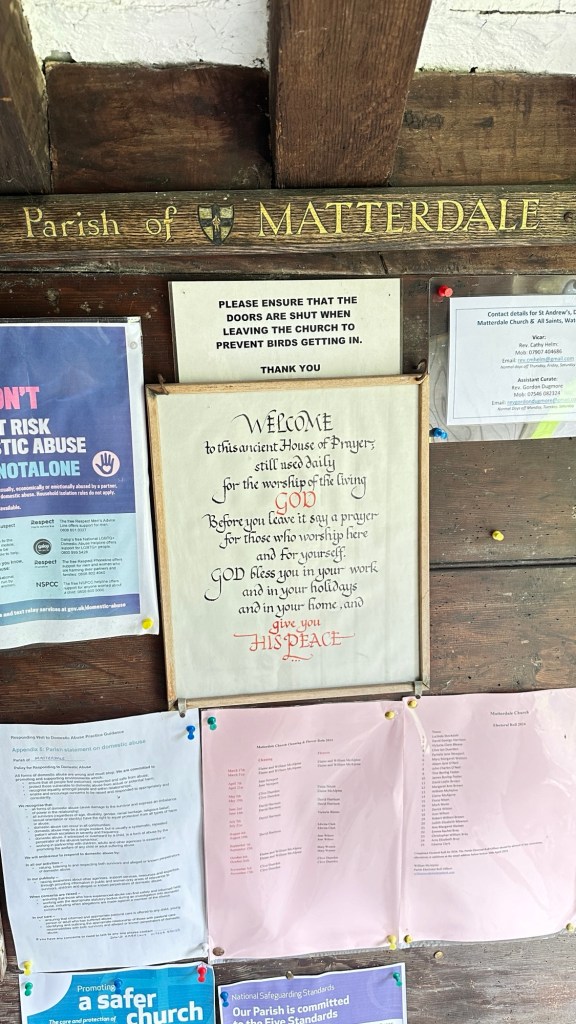

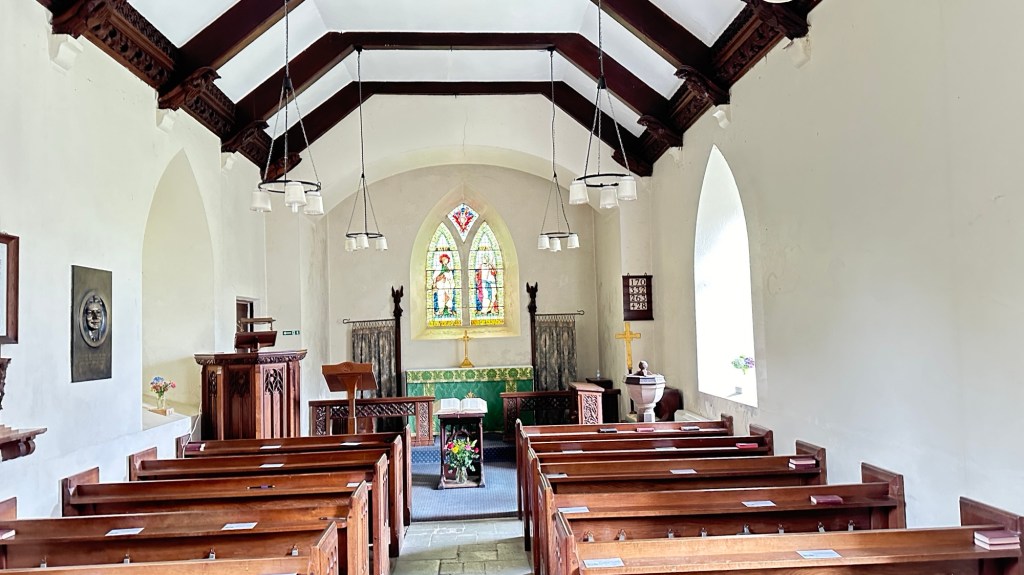
This must have been controversial. But what were glass shades? Google found a page about people using glass chippings to decorate graves in Britain. Perhaps 100 years later, they still do.
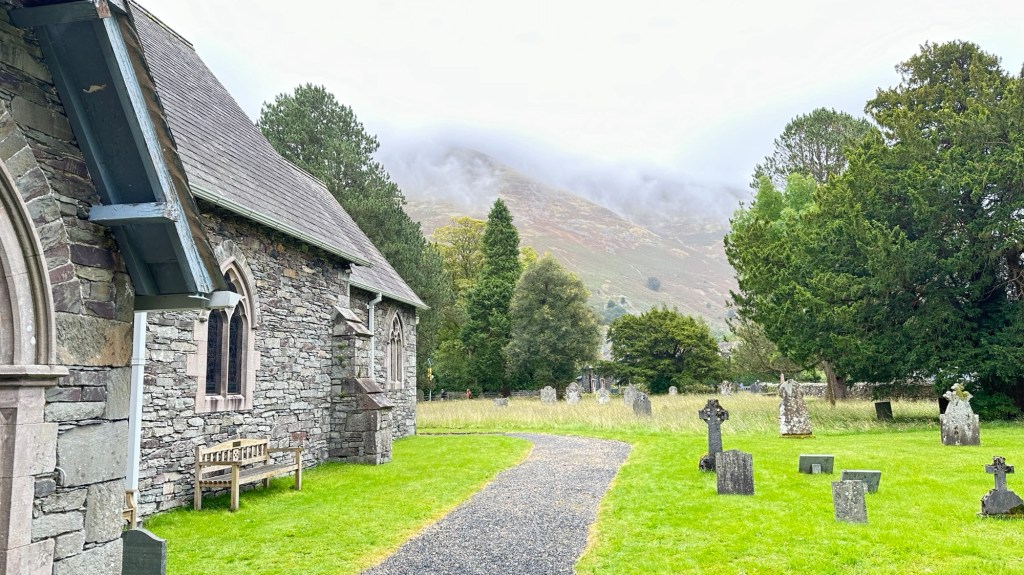
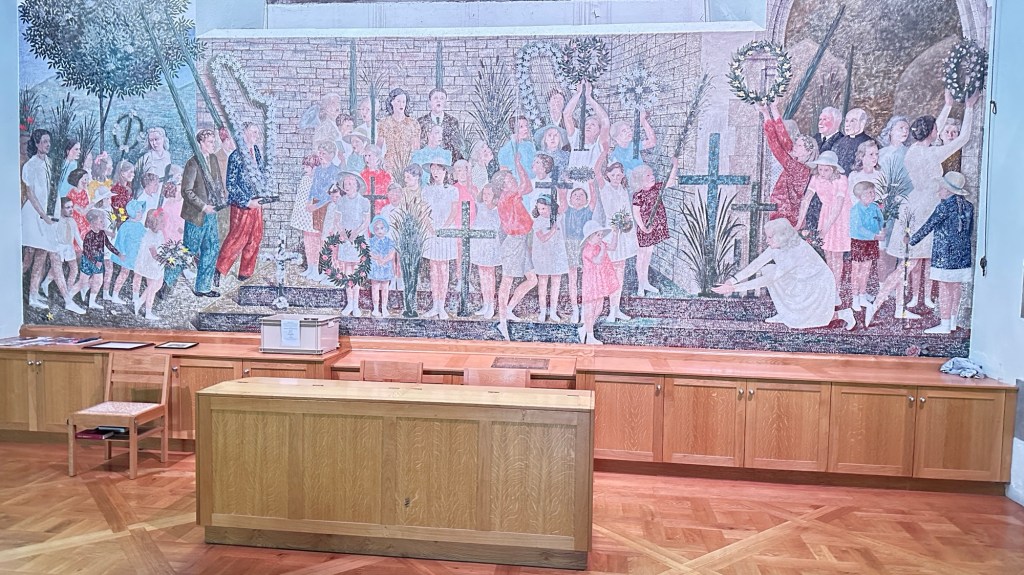
We visit all the churches we come across. Today I attended services at the nearby Patterdale Methodist—Episcopal Church. It was a great experience. They let outsiders participate in the Eucharist, too. Today was the Episcopal priest’s turn. The Methodist pastor is coming next week. Andrew, the priest, said it is a blended service. I ask if they would sing hymns by a Wesley then. He laughed and said yes.


Alan Edmond Catherall was the grandson of the woman who owned the Fish Hotel in Buttermere, Cumbria, England. Buttermere is on Lake Buttermere in the fabled Lake District of northwest England.
The Fish Hotel has changed ownership and name, currently Bridge Hotel. Alan was from the area but not the village of Buttermere, which is quite small. Perhaps he was well known there.
Alan was an RAF Aircraftman 2nd Class and a radio operator who was a prisoner of war of the Japanese in Java. He died there in October, 1943, at the age of 21.

I wonder about the comment on the plaque, “They were lovely and pleasant in their lives.”Somehow, that is not how I want to be remembered.
What would be on my plaque? “ he made a few mistakes and pissed a few people off but eventually got it together. All the while he had a life of high adventure.” I don’t expect to have a plaque, but what it said would depend on what part of my life the writer was in. What would your plaque say?
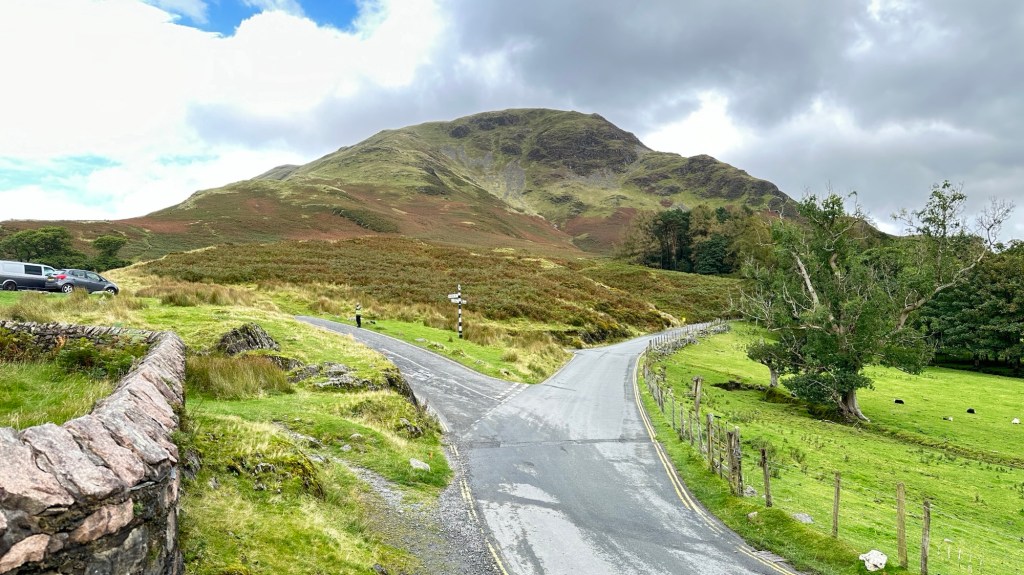

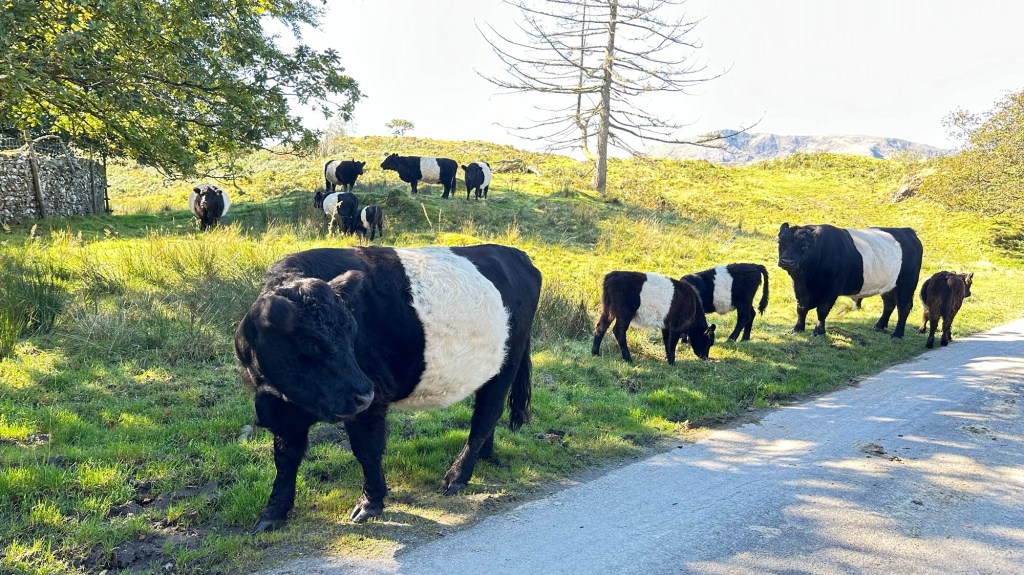
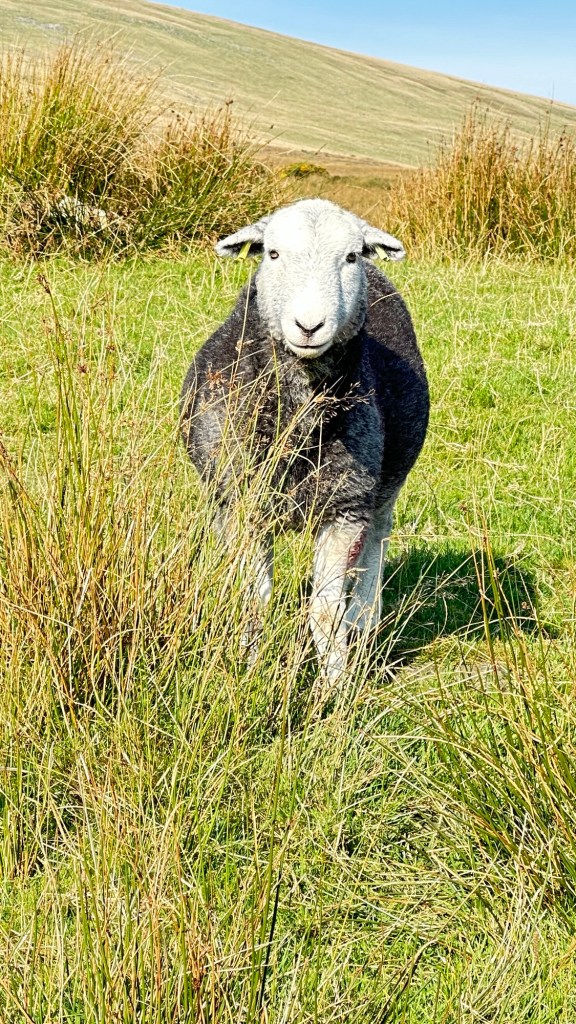
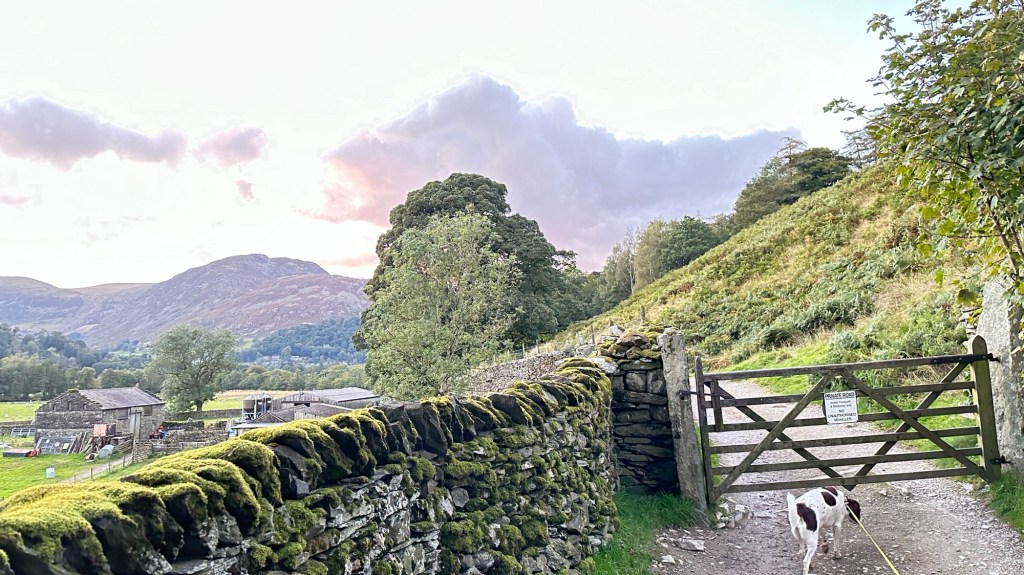
This gate, one of three between the farmhouse and our campsite, has a hand-forged latch. Most of the walls are dry-stacked stone. The sheep wander all over.
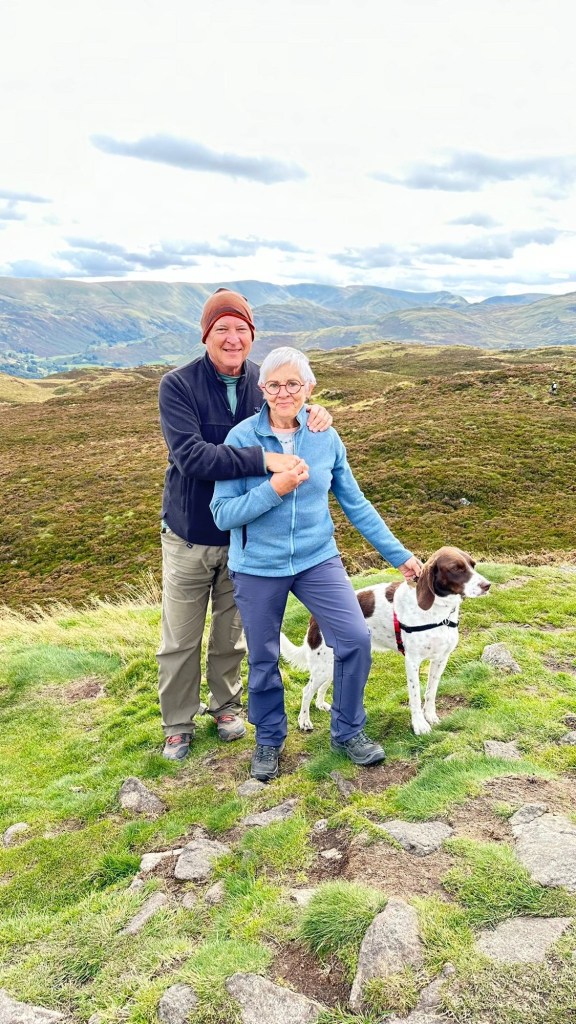
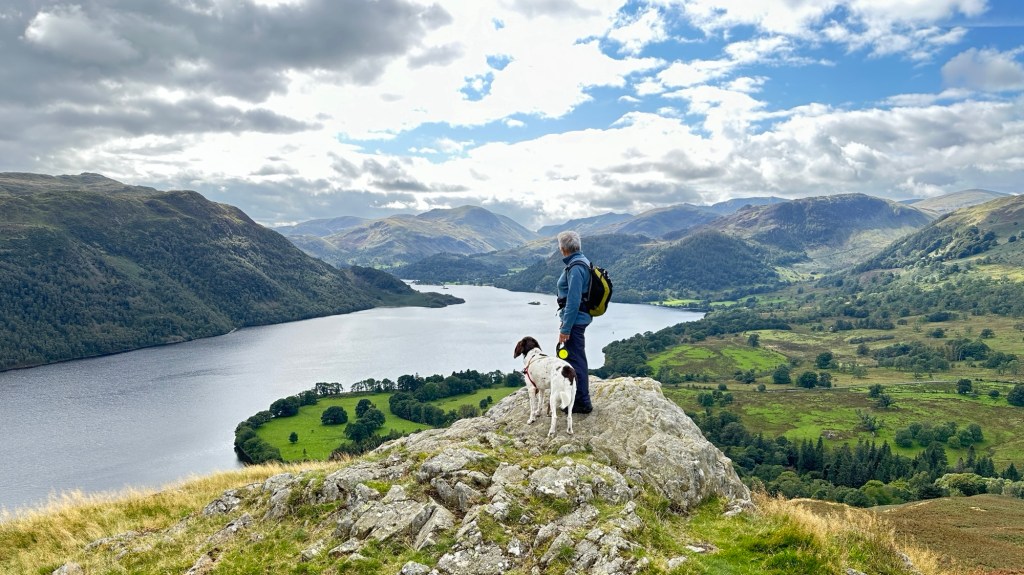
We spent four hours today climbing this peak. Every other person had at least one dog. The English love their dogs.


Every day a few fighter jets come down this lake, just short of supersonic. The photo we got won’t upload. They followed the centerline of the lake, and in the big bend they did a tight turn, causing contrails to come off the wingtips. It’s thrilling.

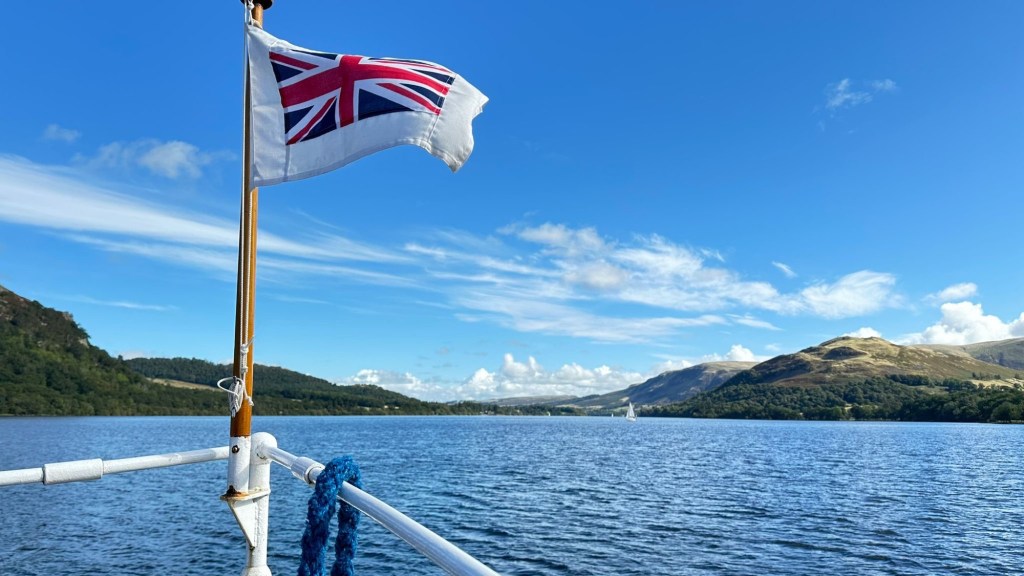
Yesterday we rode the length of the lake and back (2hrs, cold and windy). We were prepared, even Kira had her coat).

The roads are sometimes only wide enough for one car. There are wide places built in, and people are cooperating.
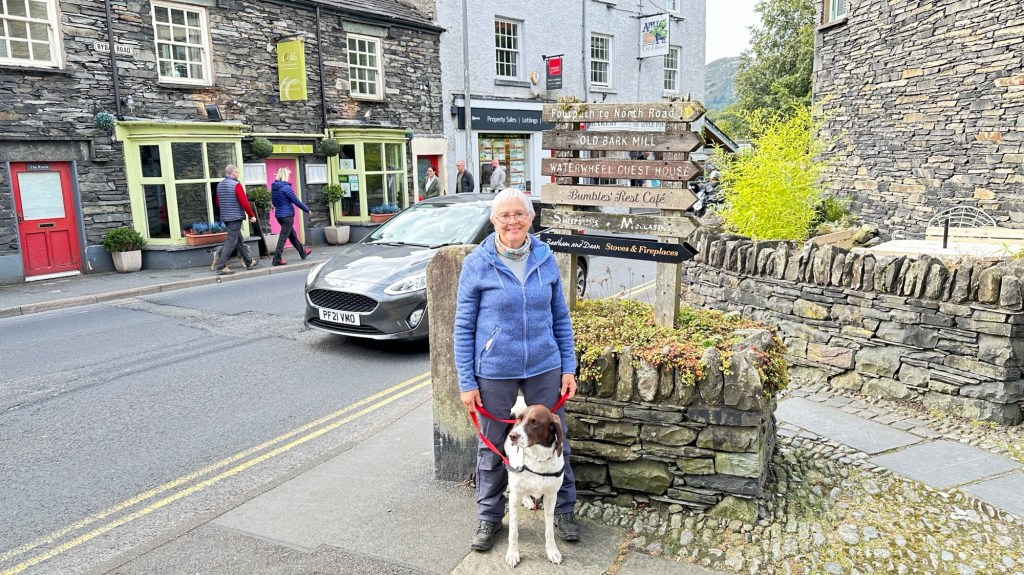
We went to the n cut village over the mountain. Packed with tourists. Cute.



We made no real plans or reservations. We drove very across Belgium in the rain to the French coast at Calais and took the ferry to Dover.

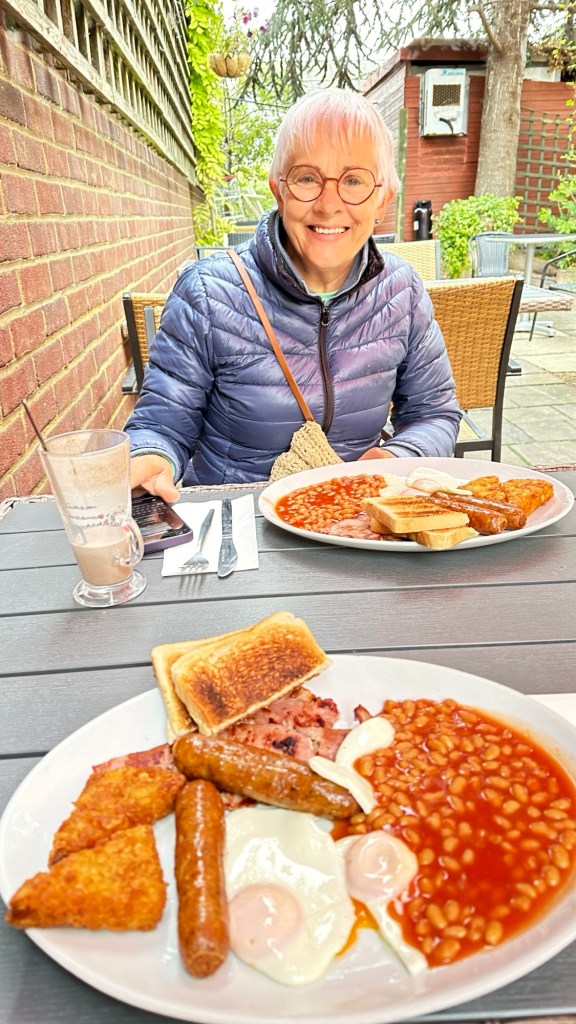
Visited historic Canterbury, spent the night in a rural farm campsite. This morning, we had a full English breakfast and randomly headed toward Cambridge. I saw a sign for the Imperial War Museum at Duxford. I knew that name, and took the next exit.
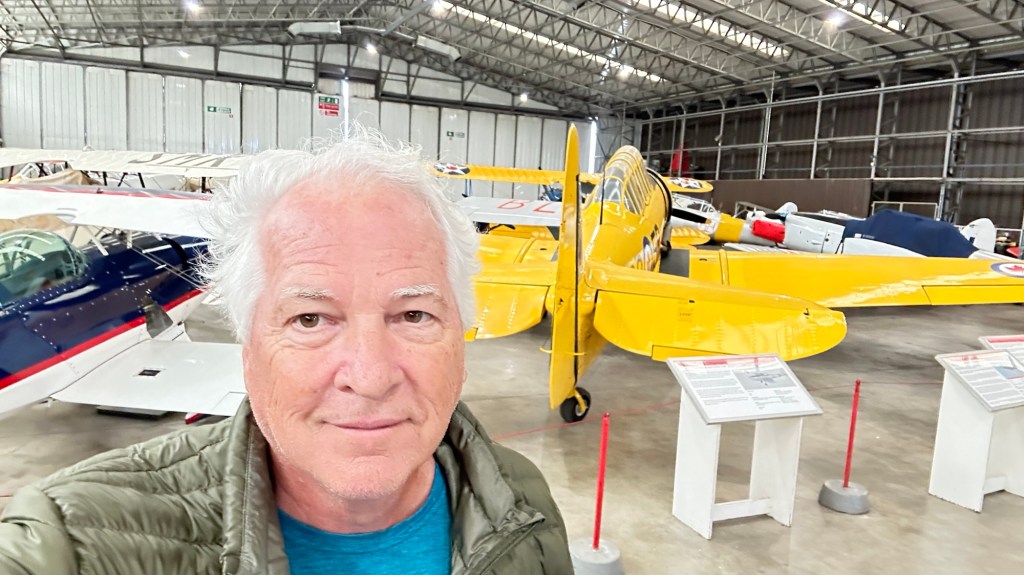
I was in my element. Josette told me to take my time.
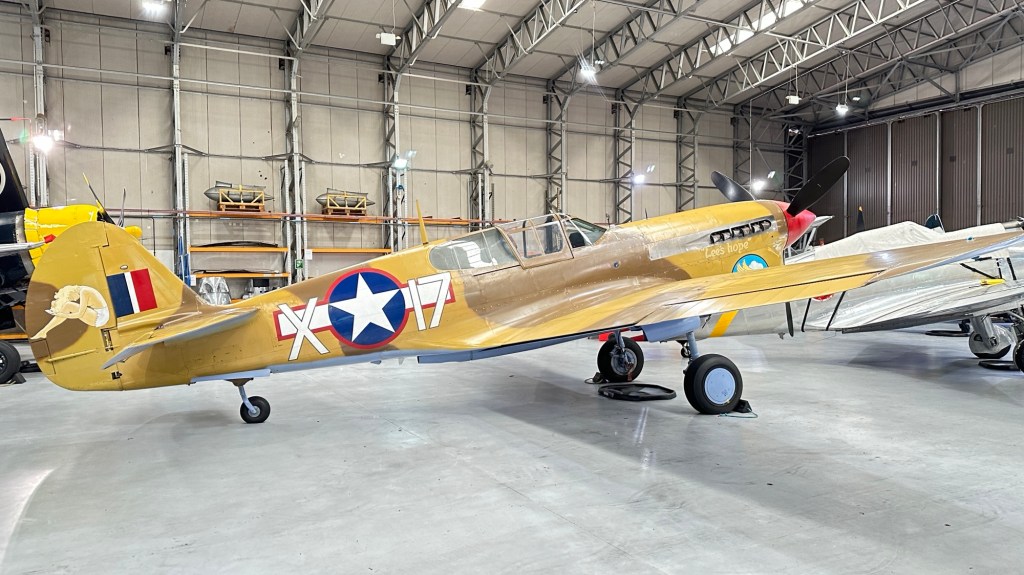
The airplane was obsolete by the time it was ready to ship to the British in 1940 and they turned it down. The Chinese Air Force bought 90 of them and sent them with American pilots of the American Volunteer Group (Flying Tigers) to fight the Japanese. I arranged for former flying tiger Tex Hill to come to our flyers club in Fredericksburg, and I took my boys out of school, so they could meet one of my heroes. 
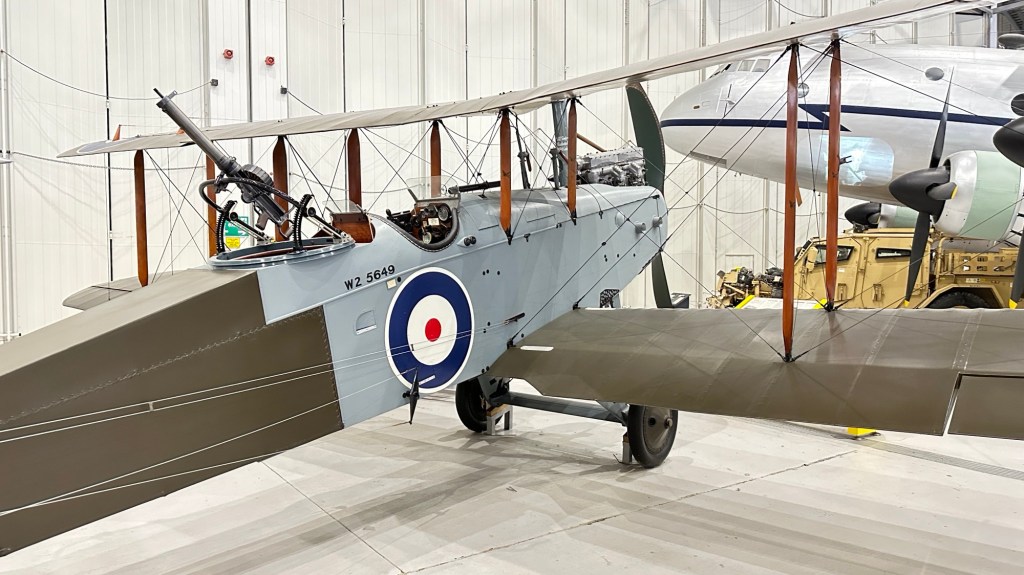
There were 8 buildings of airplanes. It took 4 hours to see them all.

An SR71 came to Rickenbacker when I was there, and we heard about it, and a bunch of is went out to watch him land. They put it inside a hanger right away. It was a very impressive airplane.
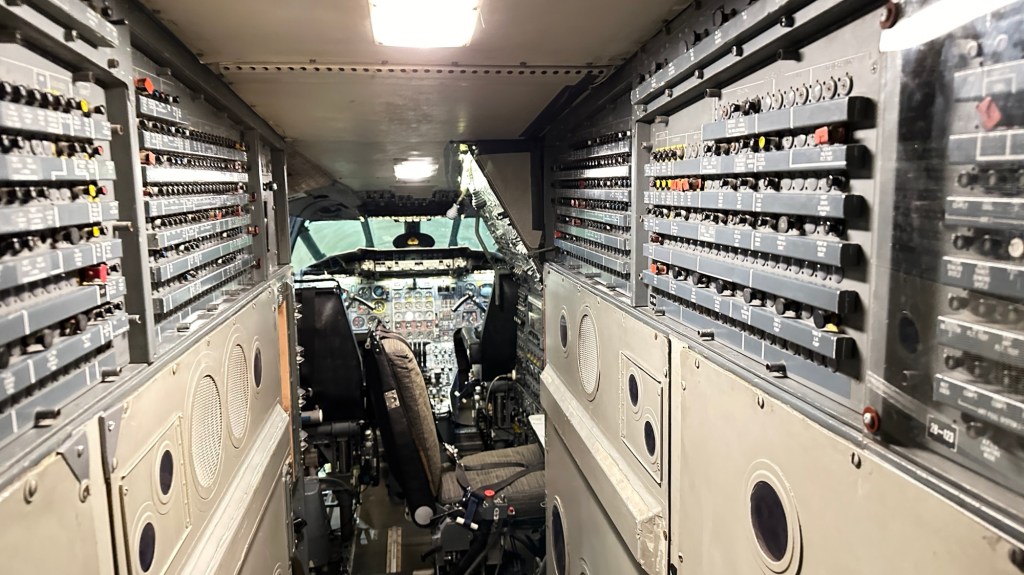
They have the original Concord, which was never in service. It flew passenger service at supersonic speed from Europe to New York. It’s much bigger than I thought.


Back to camping, this time near Cambridge
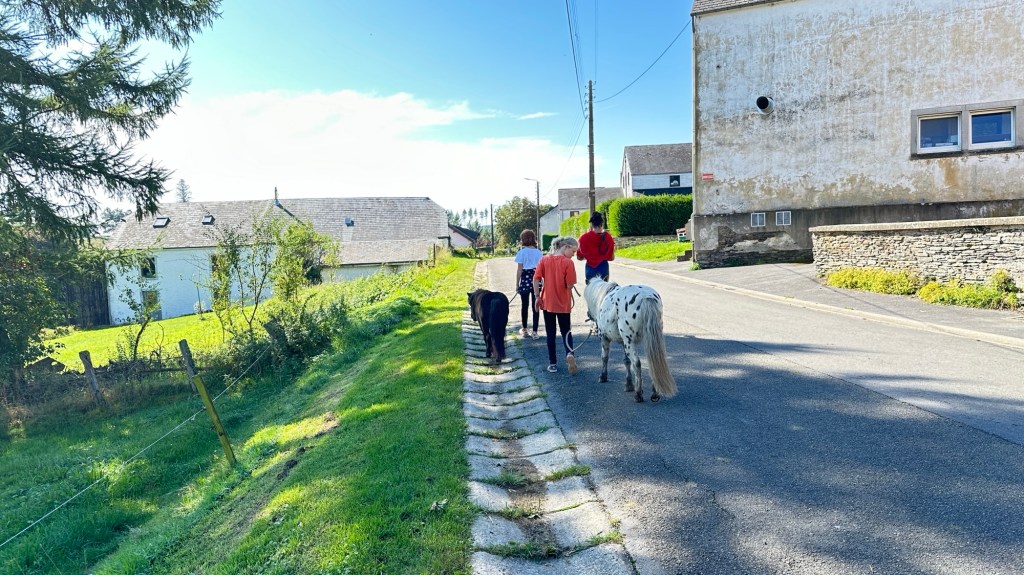

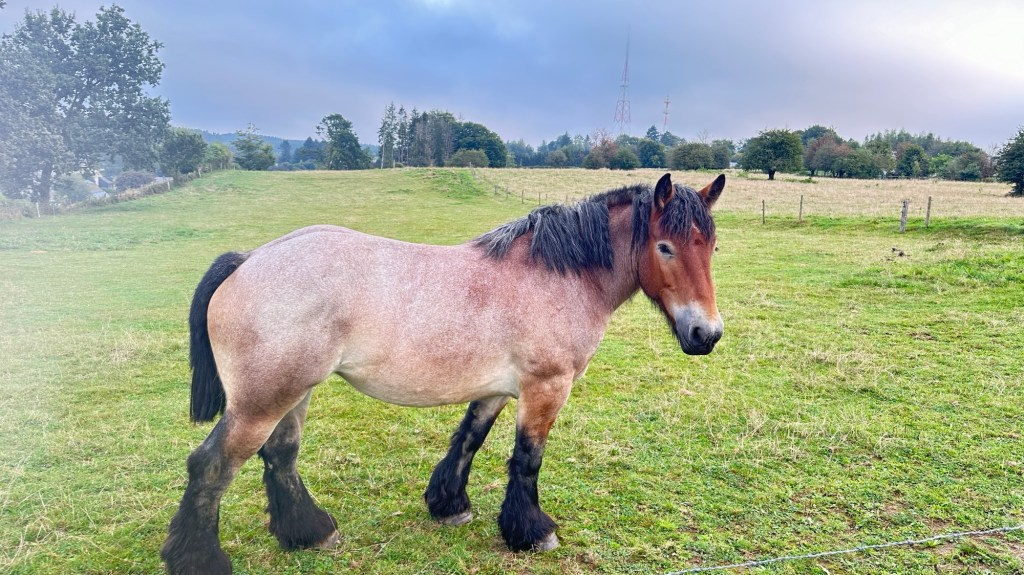


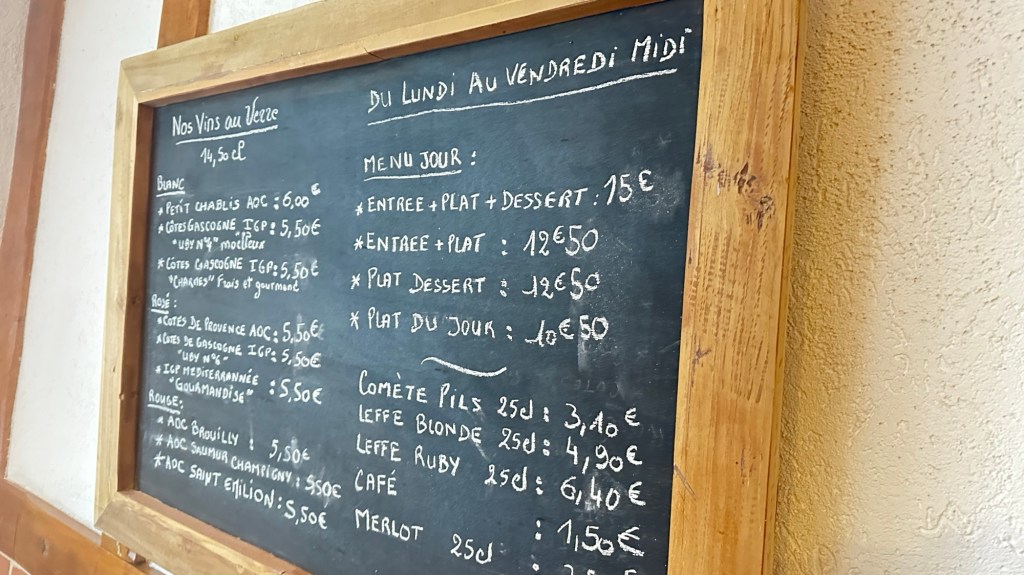


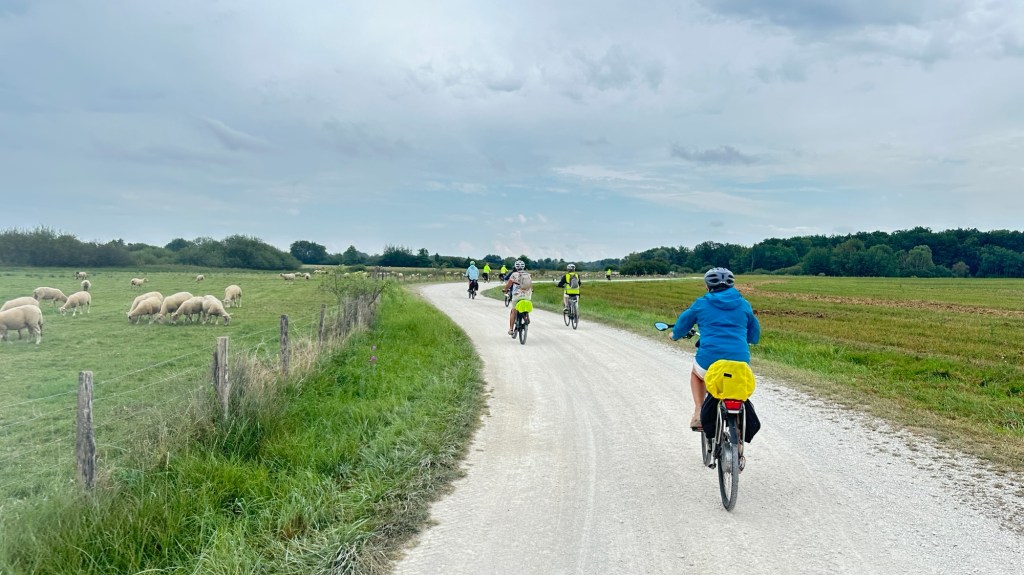


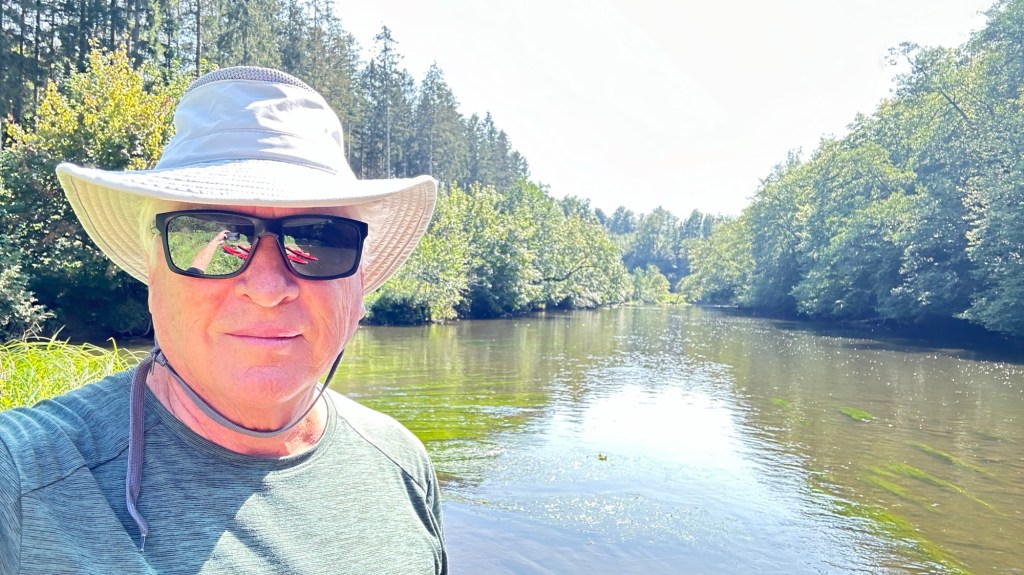


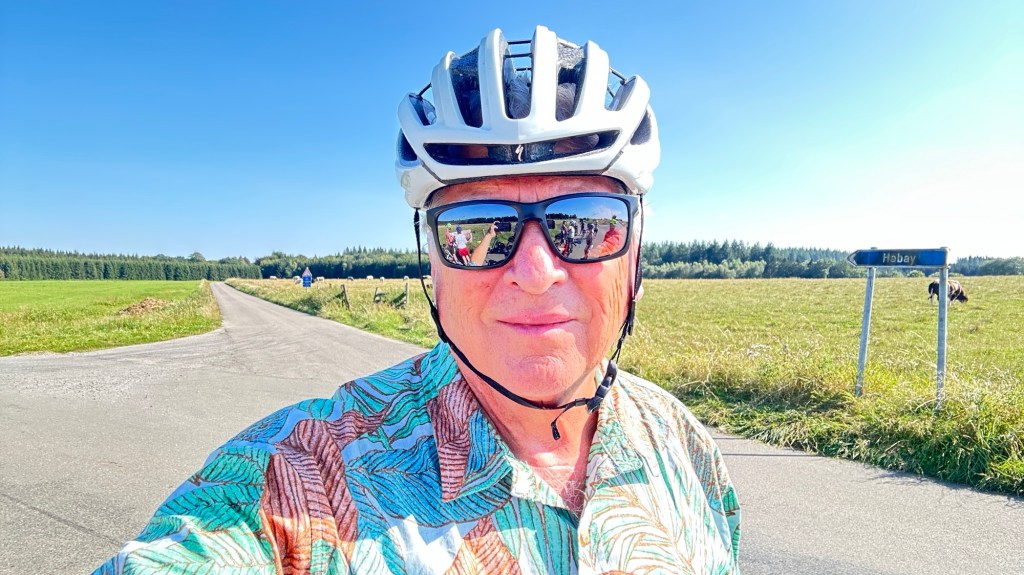
Next to the River Aube, in the middle of France, in the Commune d’Unienville east of Troyes. I saw a sign. I almost fell off my bicycle.

The sign pointed right, with no distance shown, to L’autre Monde. In English, that means Another World. I always suspected such a place existed, but I didn’t expect a highway sign. I kept riding; we were only 2 kilometers from our hotel.

Then I saw a sign for GR 145. I had planned to walk all 1200 miles of this trail, from Canterbury to Rome, in 2020. I had a plane ticket to London for mid-April and 12 weeks marked off on my calendar. Of course, the global pandemic intervened, the airline went bankrupt, and no one went anywhere. The other sign is for the Vezelay Camino. One of my friends walked past it a month ago.

Back at the hotel after almost 60 kilometers on the bike, my mind was spinning. I took a shower and changed clothes. Then I got in the car and drove back to the sign. It was just across the River Aube. I wondered if the sign would still be there.

I parked by the sign to get a photo, and a man walked up. He was from Paris but has a country house nearby. He was born in Algeria and raised in Tunis (or vice-vers) but remained in France after university in Paris. I asked him about the sign. He said perhaps it was a path the heaven, and he pointed up. His name sounded like Dinde.

He pointed to this sign. He said, “It’s a village, right there. You can go over there and get a photo.

The village only has 4 or 5 houses, and this street. Ruelle means “little street.” And that was it.

The others didn’t think much of my story. Perhaps, as a writer, I see things differently. I can think of several story lines set in this place.
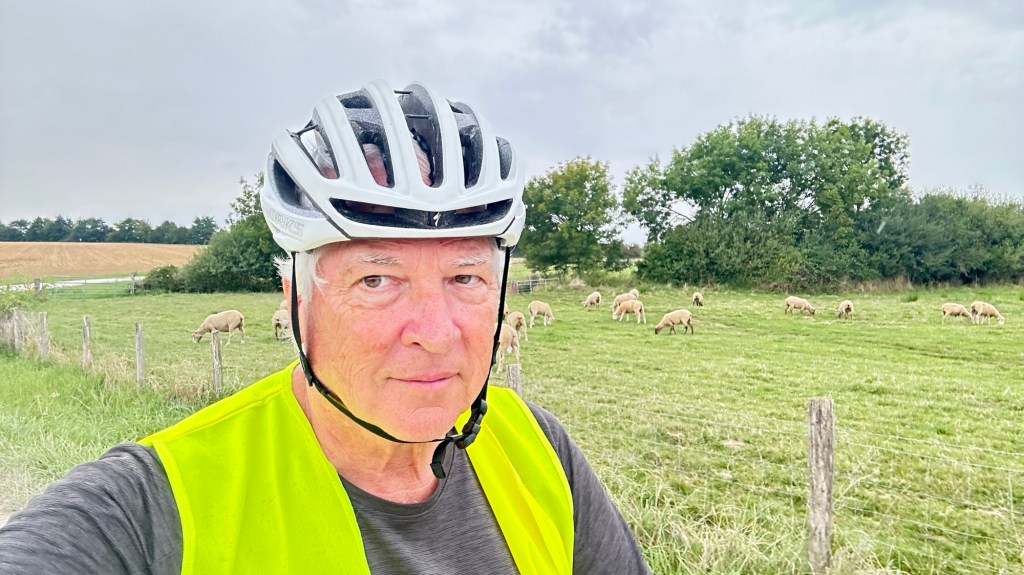
Update: This village doesn’t have much of an internet footprint. Or any at all. Suspicious?
 robertcdeming