
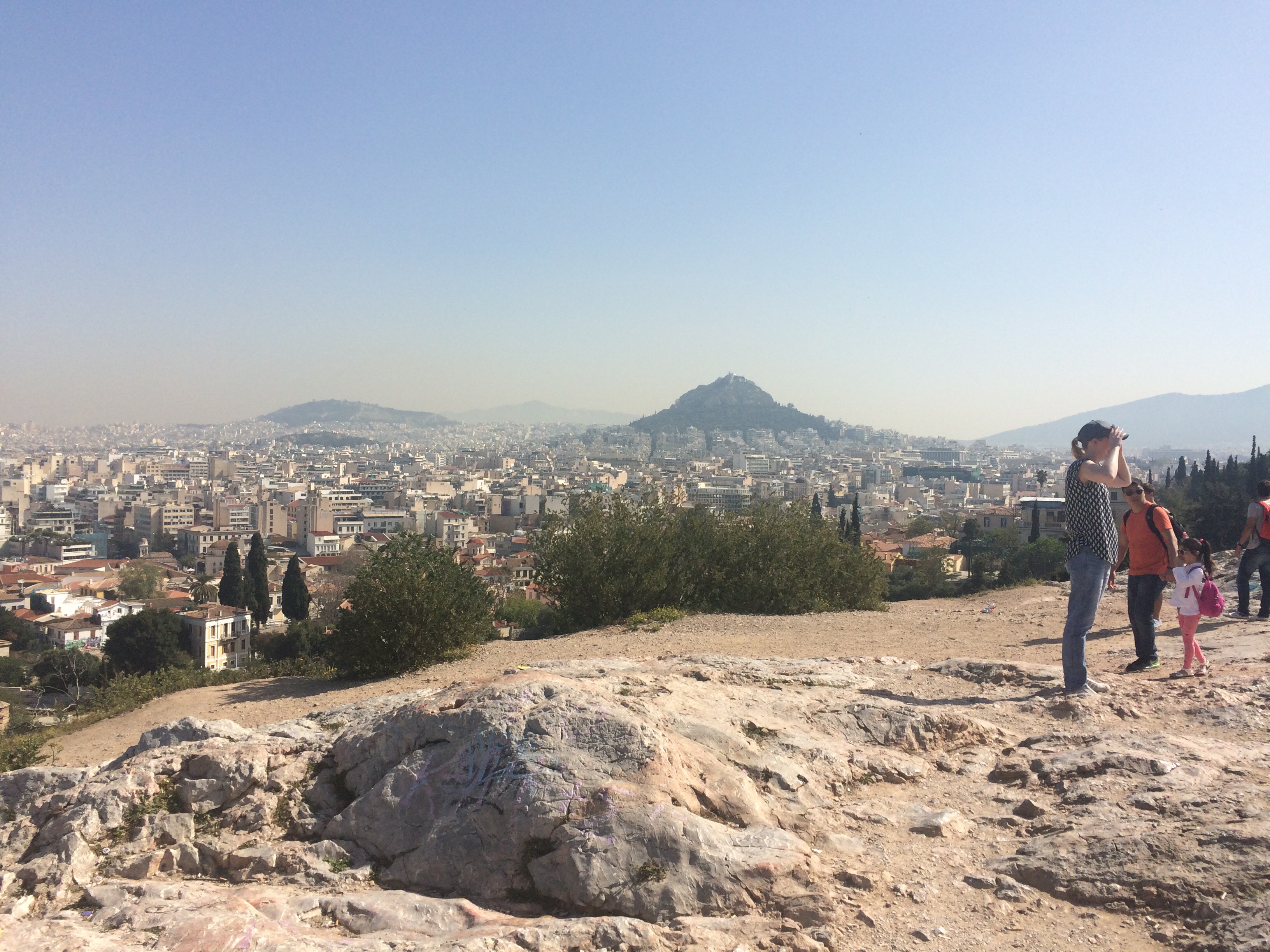
 My Dad wanted to hold Easter sunrise worship on Mars Hill, next to the Acropolis about 1965. He got permission from the government but was required to meet with a Greek Orthodox priest. They climbed to the top of the hill, where the priest brushed away film boxes and cigarette butts and orange peels, and pointed out the place Paul was presumed to have stood while making his case for Jesus to the Stoic and Epicurean philosophers gathered there. He was asked not to stand in that spot. We call that presentation the sermon of the unknown God. You can read it in Acts 17.
As a fledgling trumpet player, and being handy, I was tasked with opening the service by playing a short piece of the hallelujah chorus. Paul was no doubt a great preacher, but so was Dad. I think Paul would have been pleased that his efforts inspired a man such as he to tell that story again, in that very place.
After the subway and the team from downtown to Glyphada I saw nothing familiar. I was looking for the house I lived in from 1963-1969, not that far from the town square and the harbor, a trip we made almost daily. Swimming off the end of the breakwater, buying bread at the charcoal fired bakery, fruit and vegetables at the farmers market. Now it was all tall buildings.
My good friend John had made the trip with me, as he is always up for an adventure.
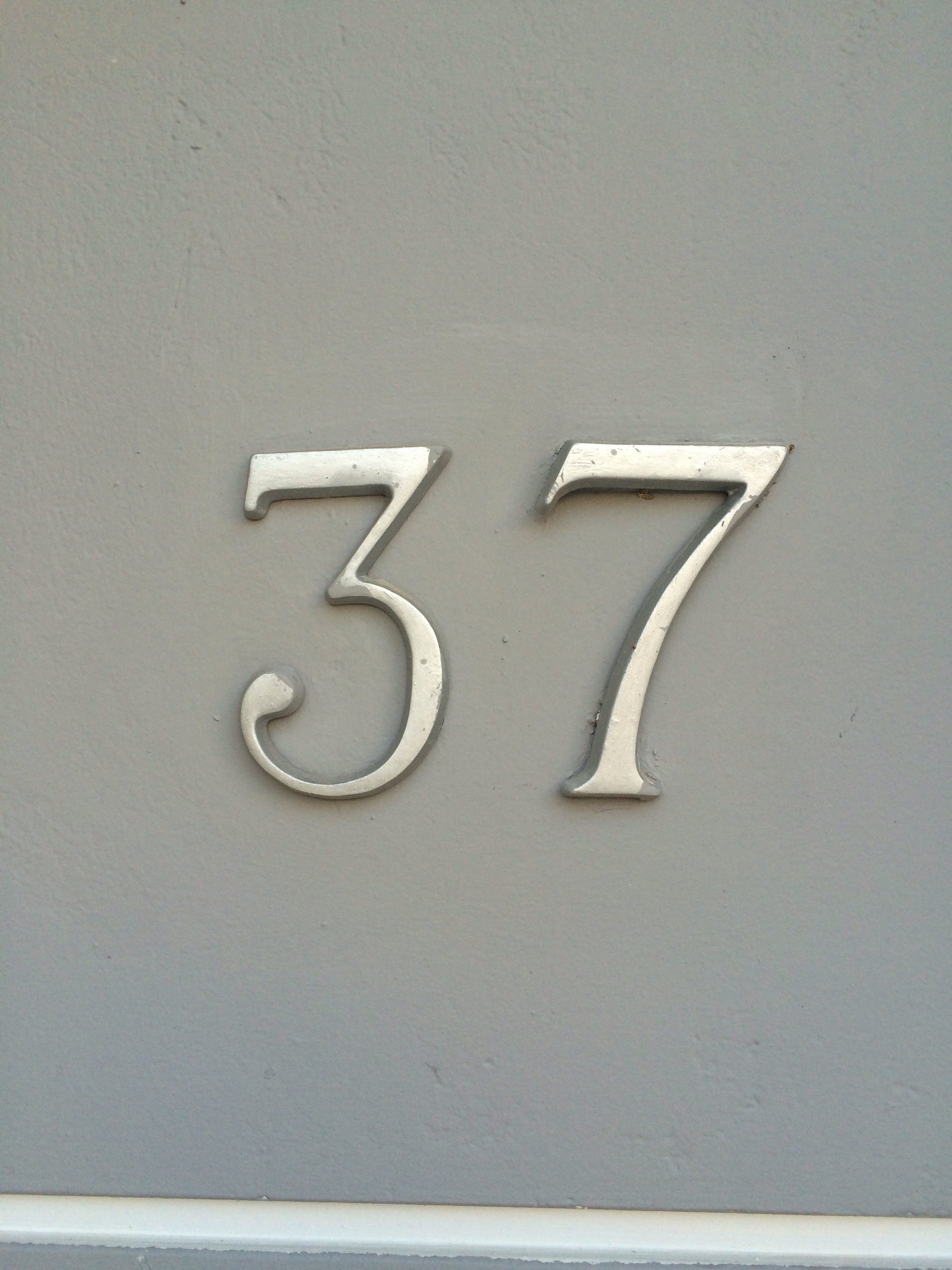
He stopped walking and said, “We need to ask a taxi driver. They know the streets.” In a minute we found a taxi stand with three Greek taxi drivers my age. They passed around the paper on which I had written 37 Athenon. Finally one said, “They changed the street to Papandreu. Right that way turn left at second traffic light. Look for the number.”
In a few minutes I was standing in front of this house. The other houses in the neighborhood had been replaced as well.
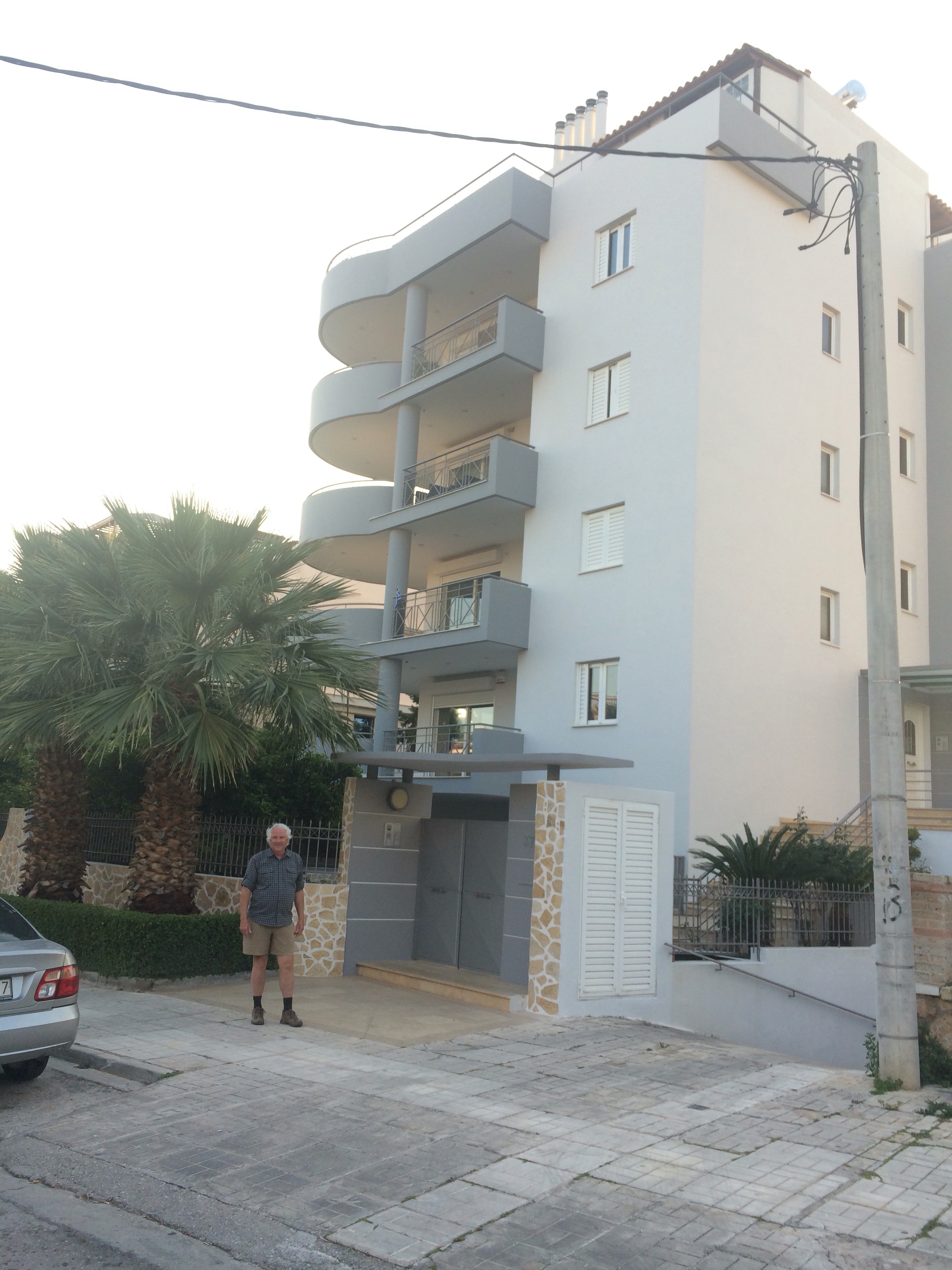 The olive trees are the same, but the rest is gone; the fruit trees, the neighbors, the field I flew my first model airplane in, the kids across the street who seemed to spend their lives with a soccer ball always in motion.
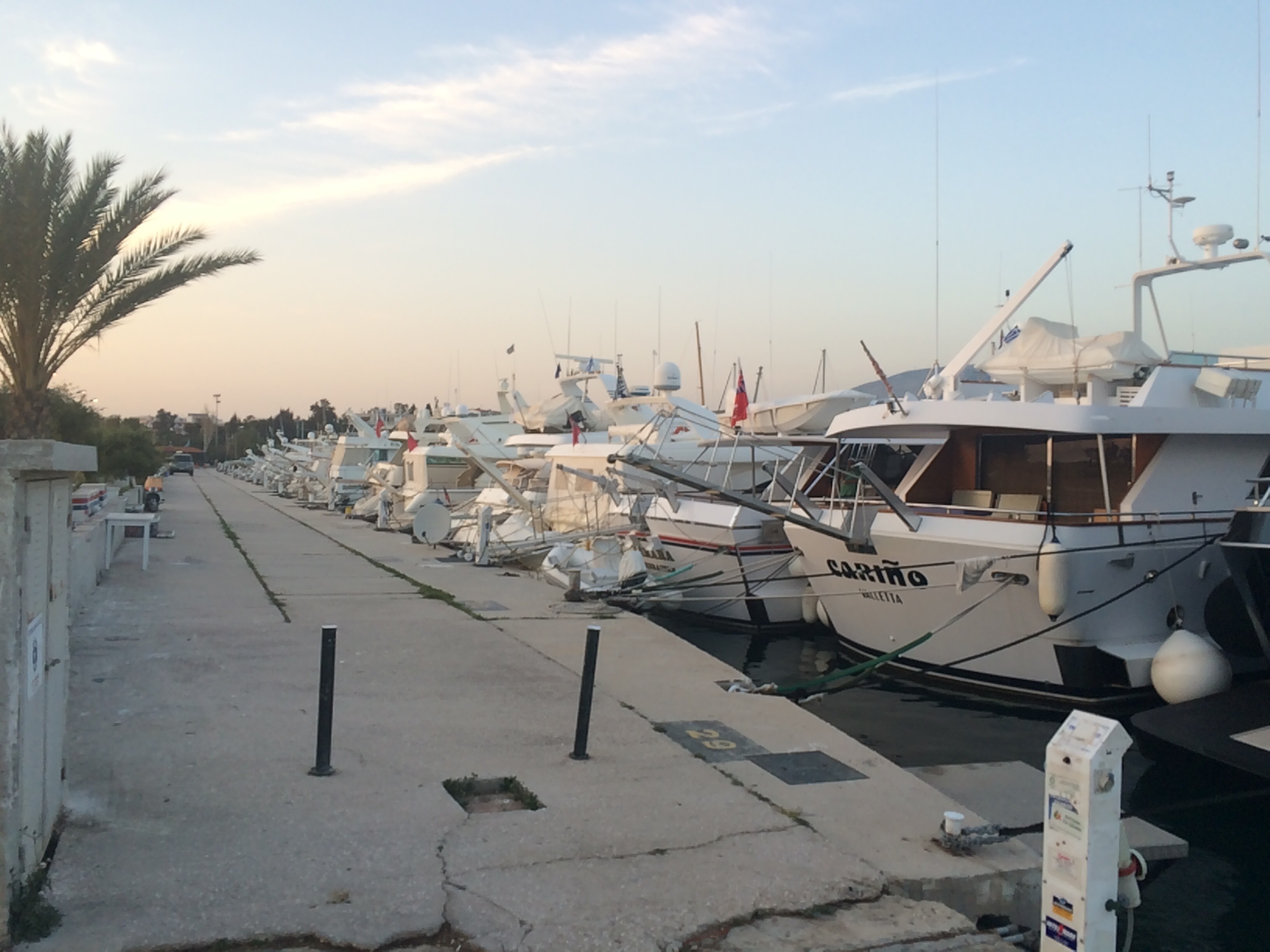 The harbor is there but much changed.
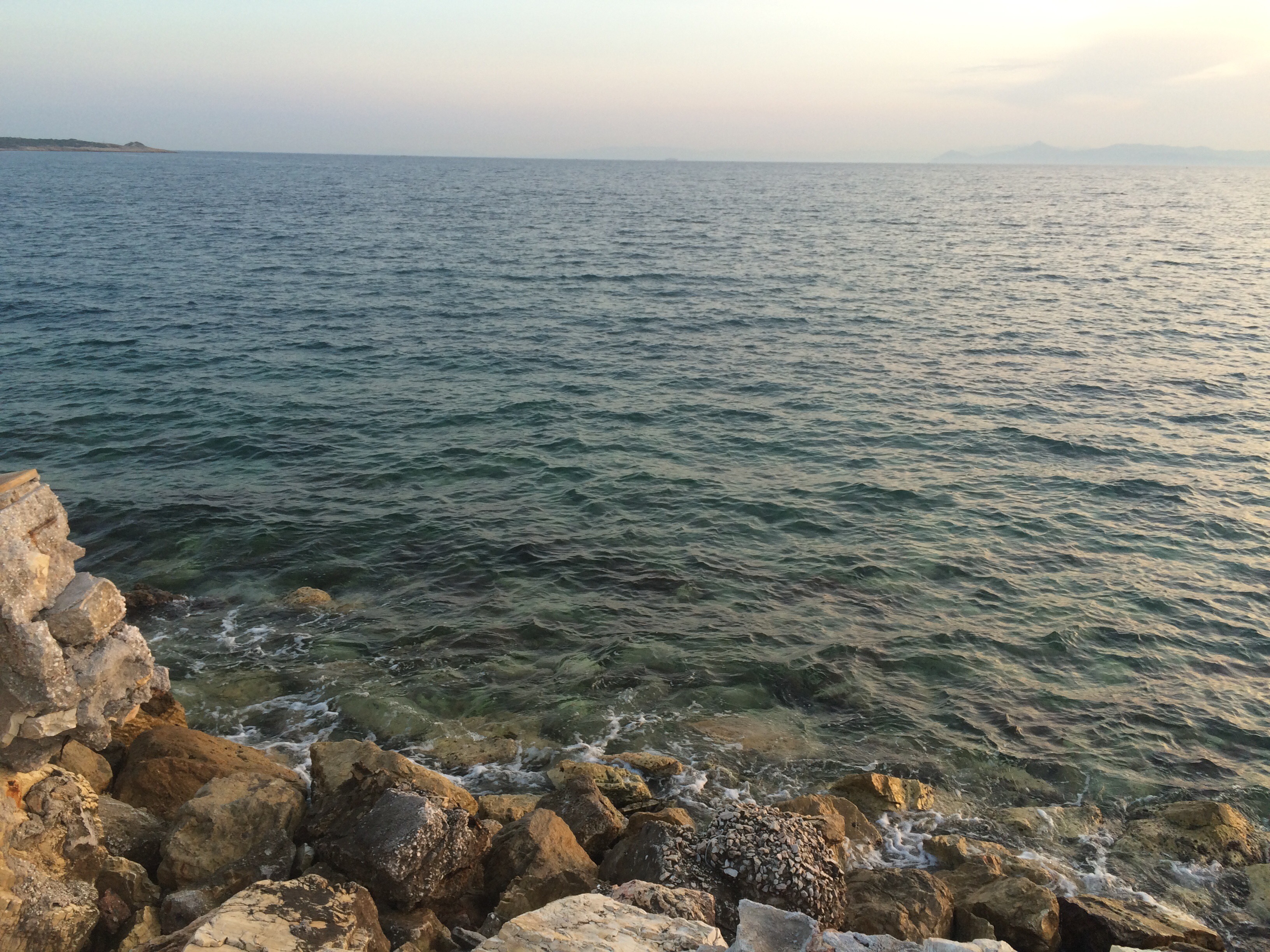 The water is still sparkling.
Perhaps you can’t go home again after all. They only live in memory.
We rejoined our group in time for this yet another Greek meal.
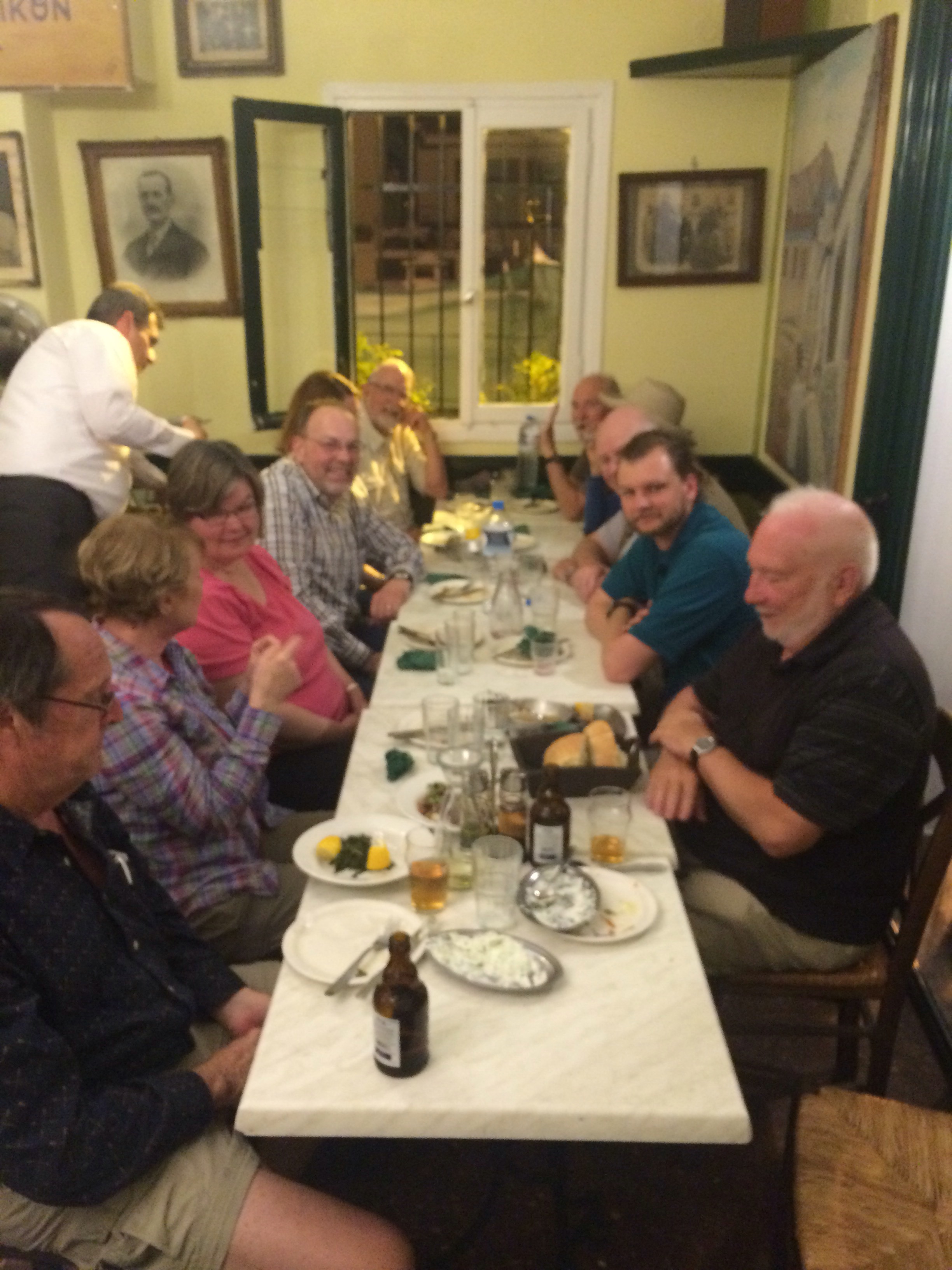 What a day!
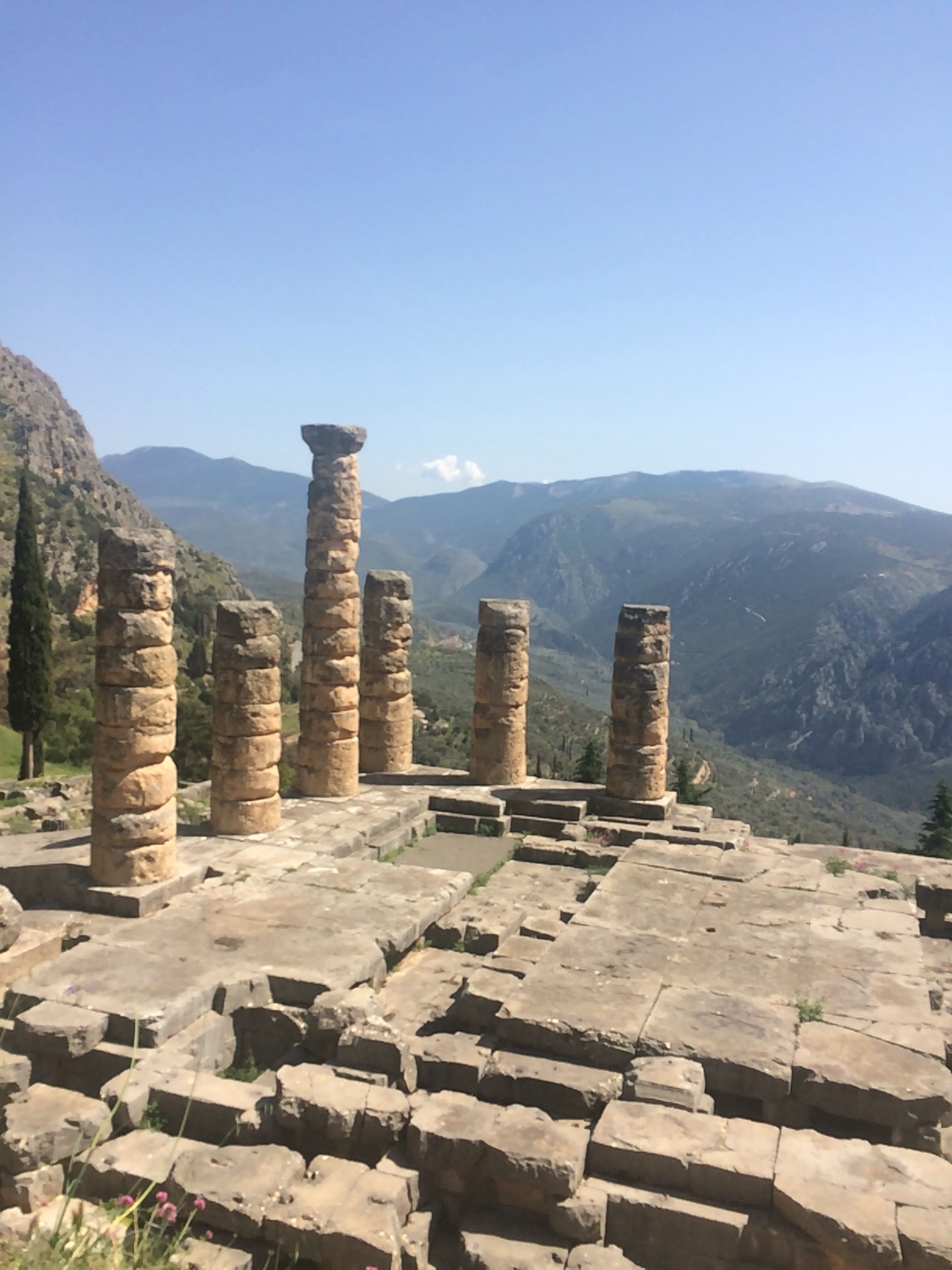 When I visited Delphi 50 years ago my parents were wandering around and I was feeling badly- I was hot with a fever. I lay down between the columns in the photo with my face against the stone floor to cool off. Eventually my parents reappeared; this was before parents never let their kids out of sight.
My mother quoted scripture (1 Timothy 5:23) and gave me some wine and let me lay down on the backseat of the car. We stayed in a guesthouse that night (we always camped) in a nearby village in which we had one room on the second floor and the commode was up on the roof. I was better the next day.
Delphi is a wild and crazy story.
We also were able to visit the site of the death of Leonidas and the Spartan 300. Outnumbered by the Persians at least 100 to 1, if not 1,000 to one (estimates vary widely) King Xerxes suggested that the Greeks lay down their weapons. King Leonidas response?
“Come and take it.”
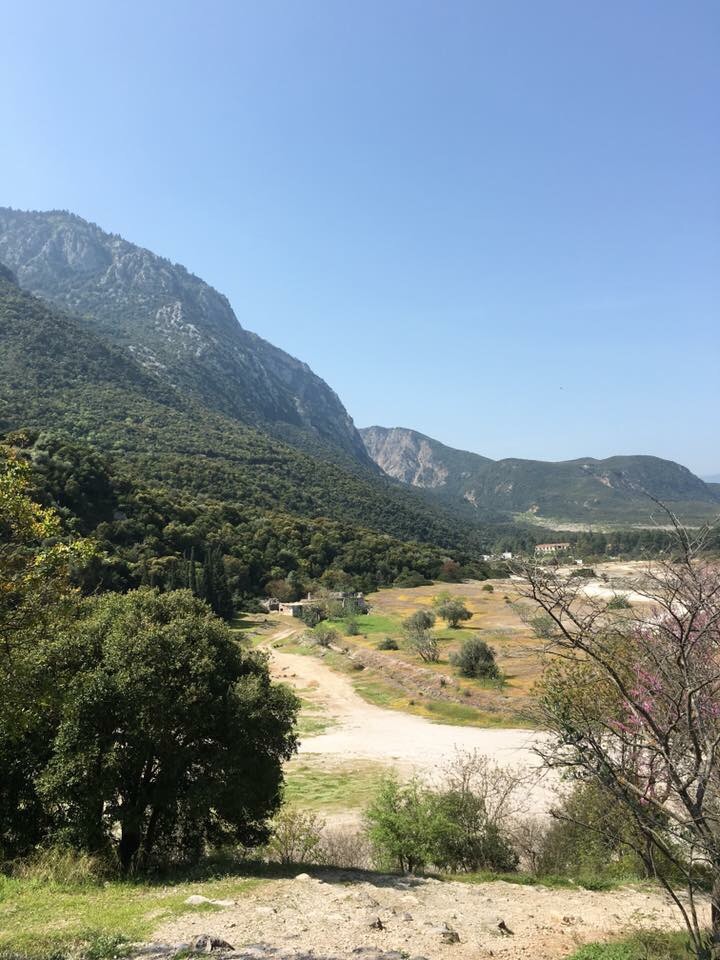 Thermopylae battle site
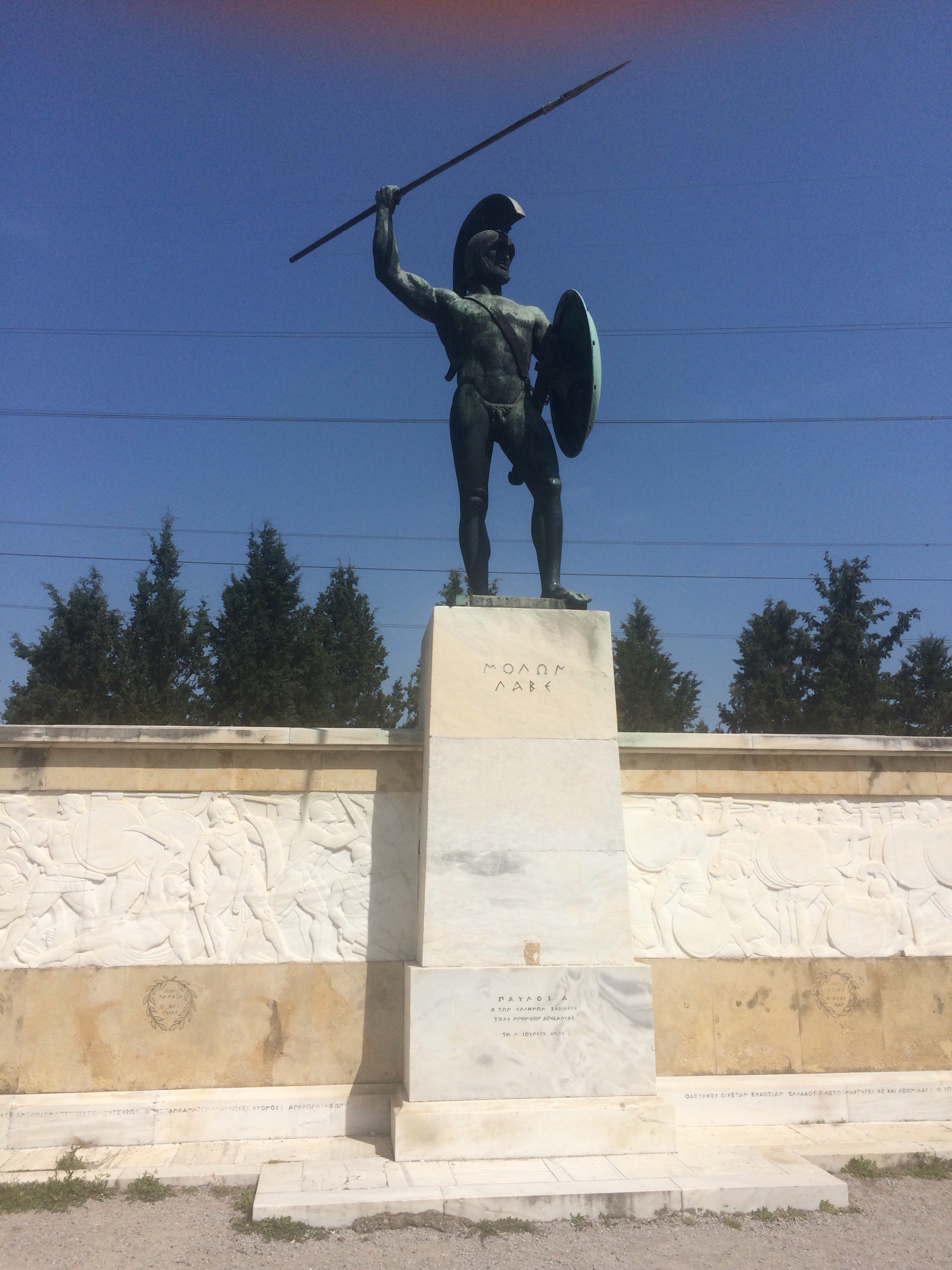 King Leonidas
Beginning in the 1500’s Greek men built monasteries in the mountains of rock near Meteora. First were hermits living in natural caves on these vertical columns of conglomerate rock, but before long others built structures on the tops.
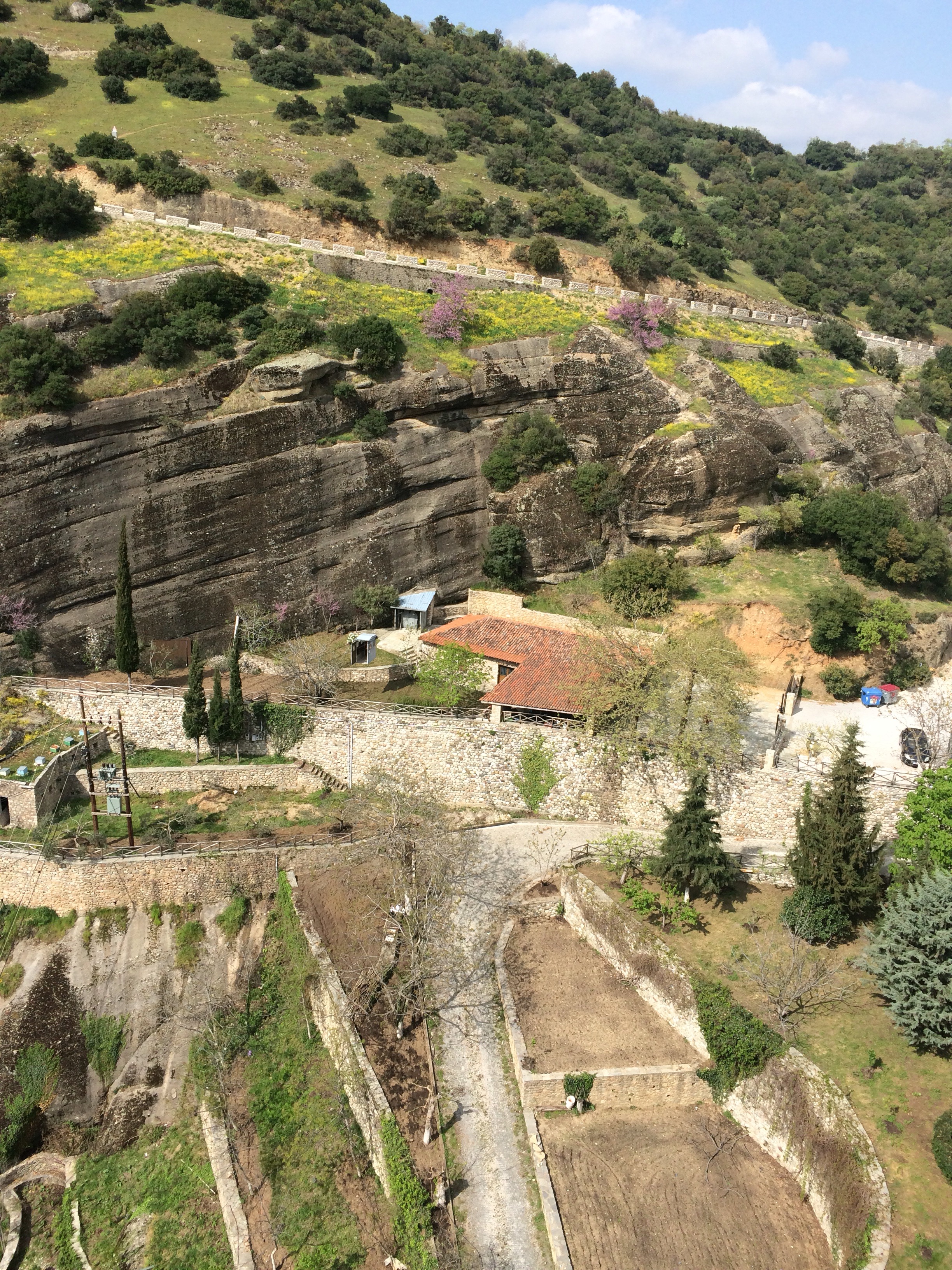 First the brothers built a lift to bring building materials, then built a church, then living quarters.
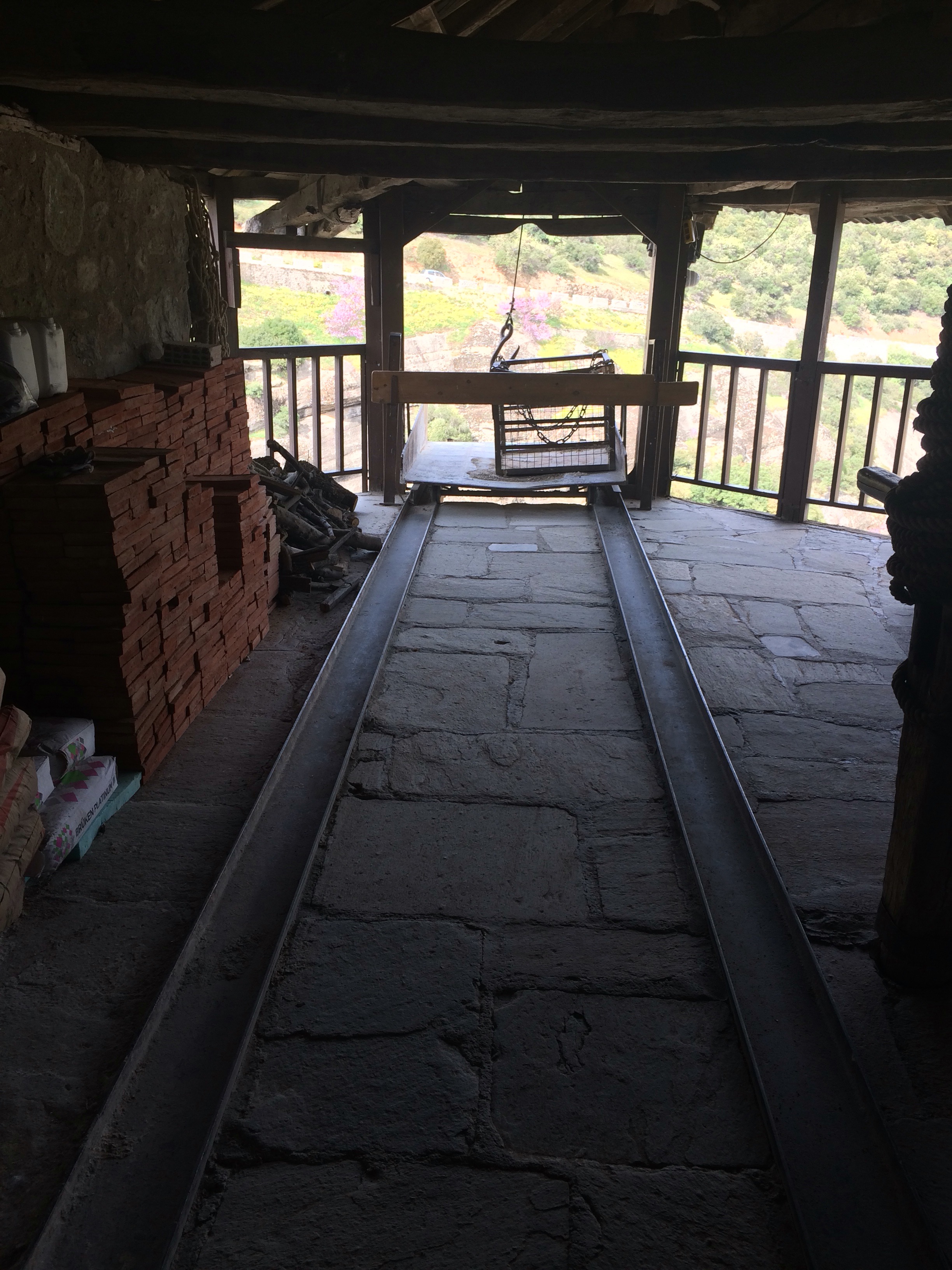 This is the lift.
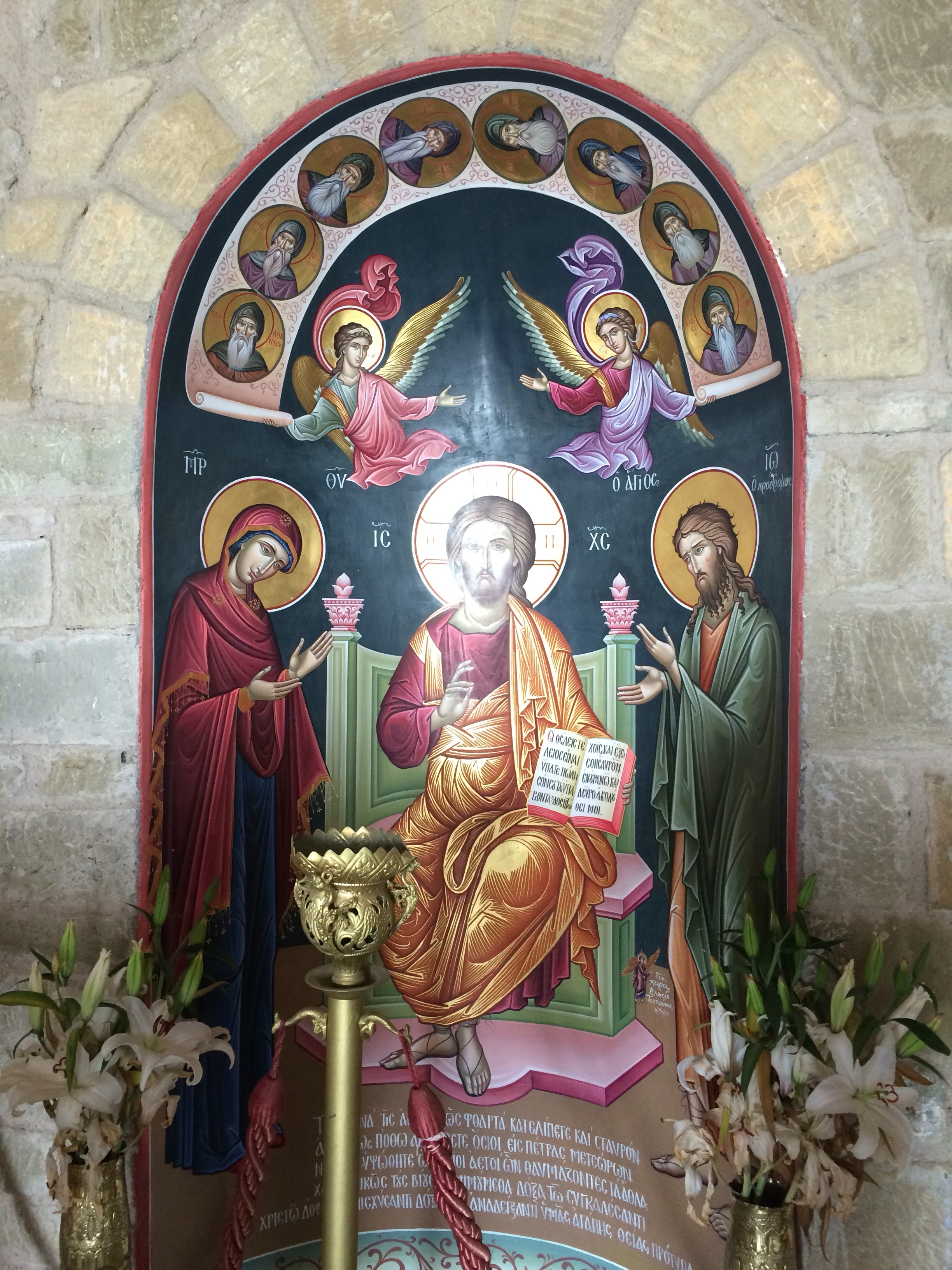 Inside are icons and paintings telling the story of Jesus in great detail (no photography allowed in the old church, this is just outside).
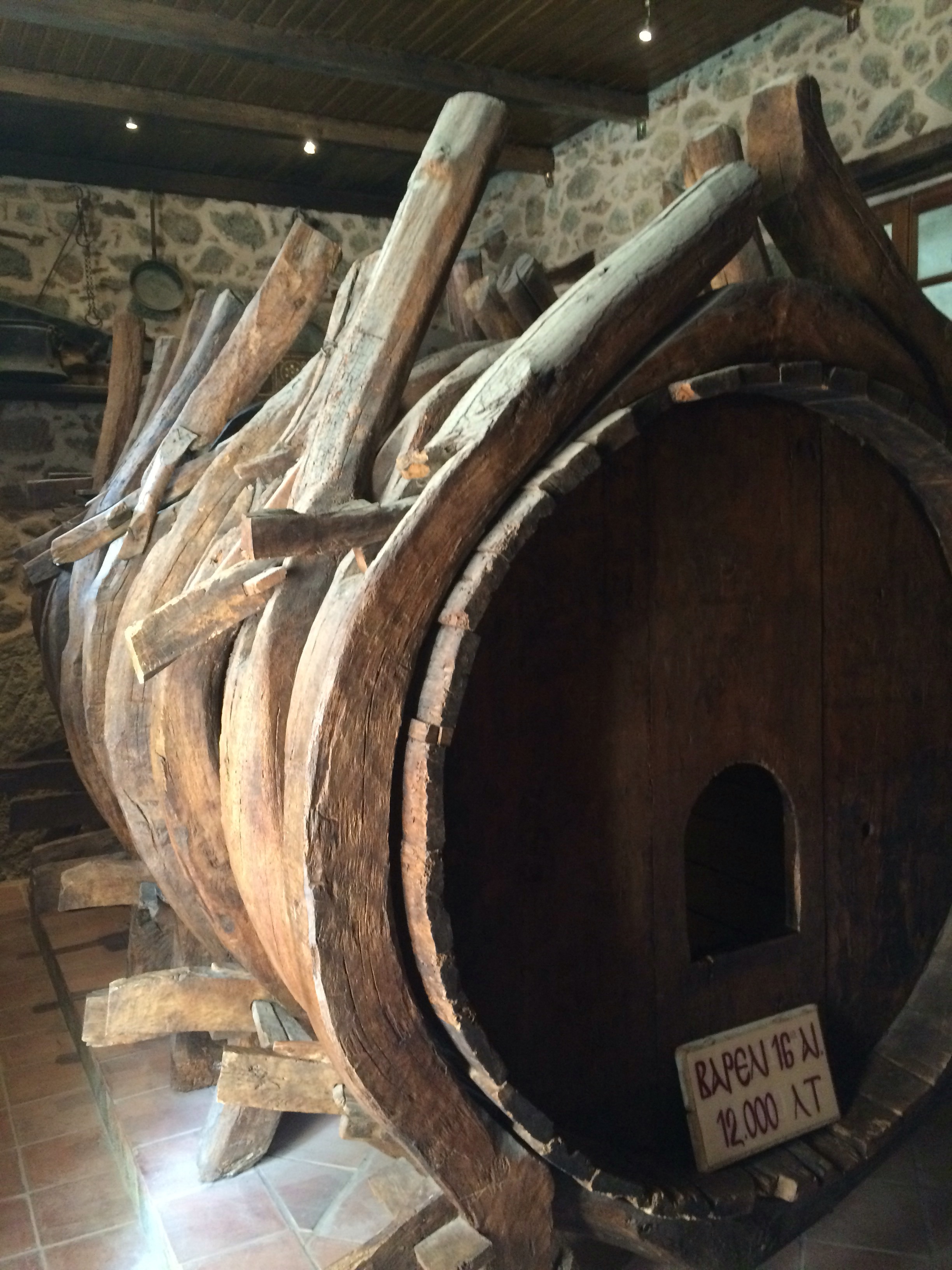 The water used to come by rainwater collection into this unusual barrel.
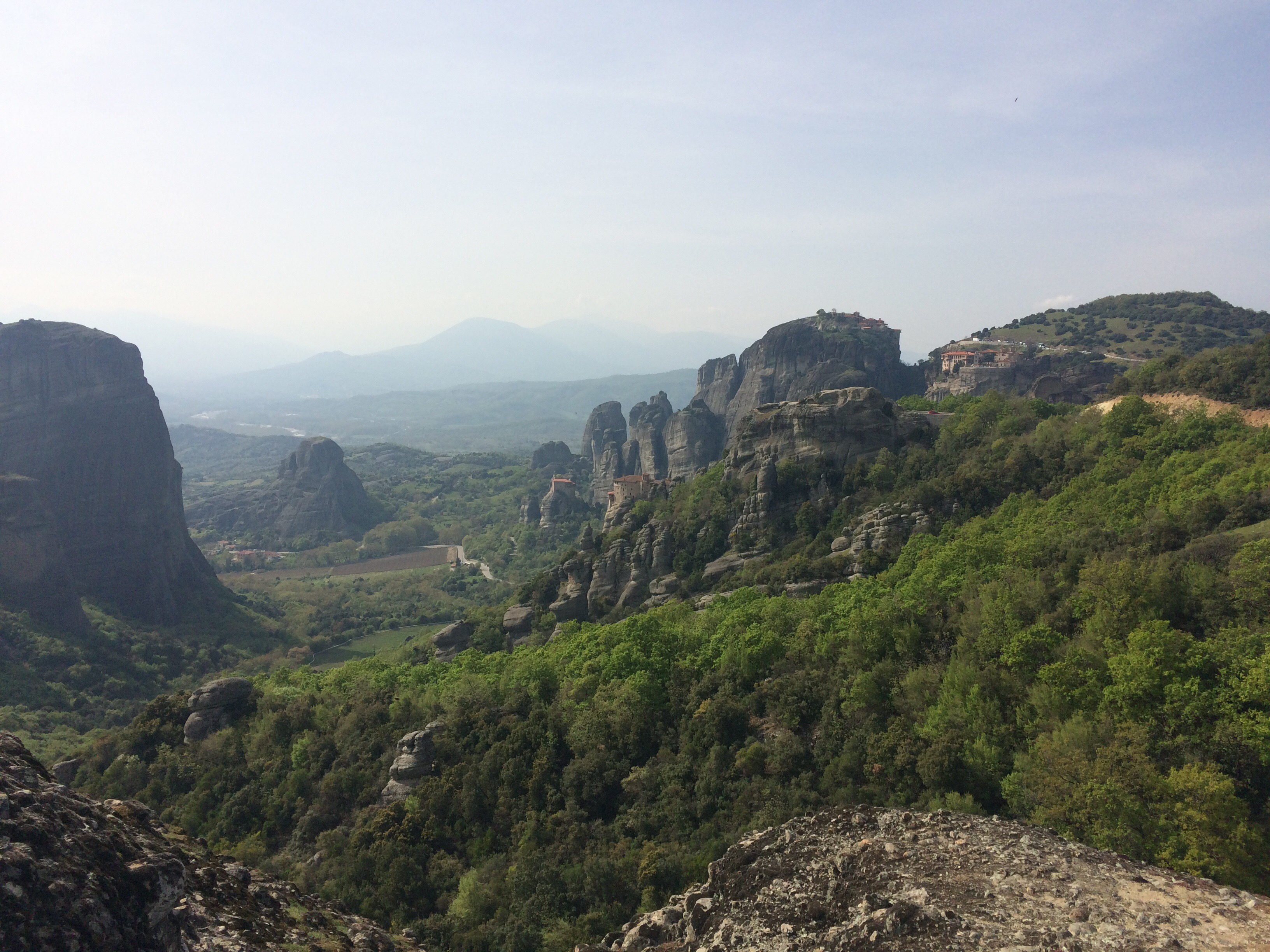 I can only imagine how quiet the mountaintops are when the tourists leave.
I lit this candle today, remembering the churches we had visited as kids and the candles we lit in them. Our parents were probably trying to get us out of their hair for a few minutes. 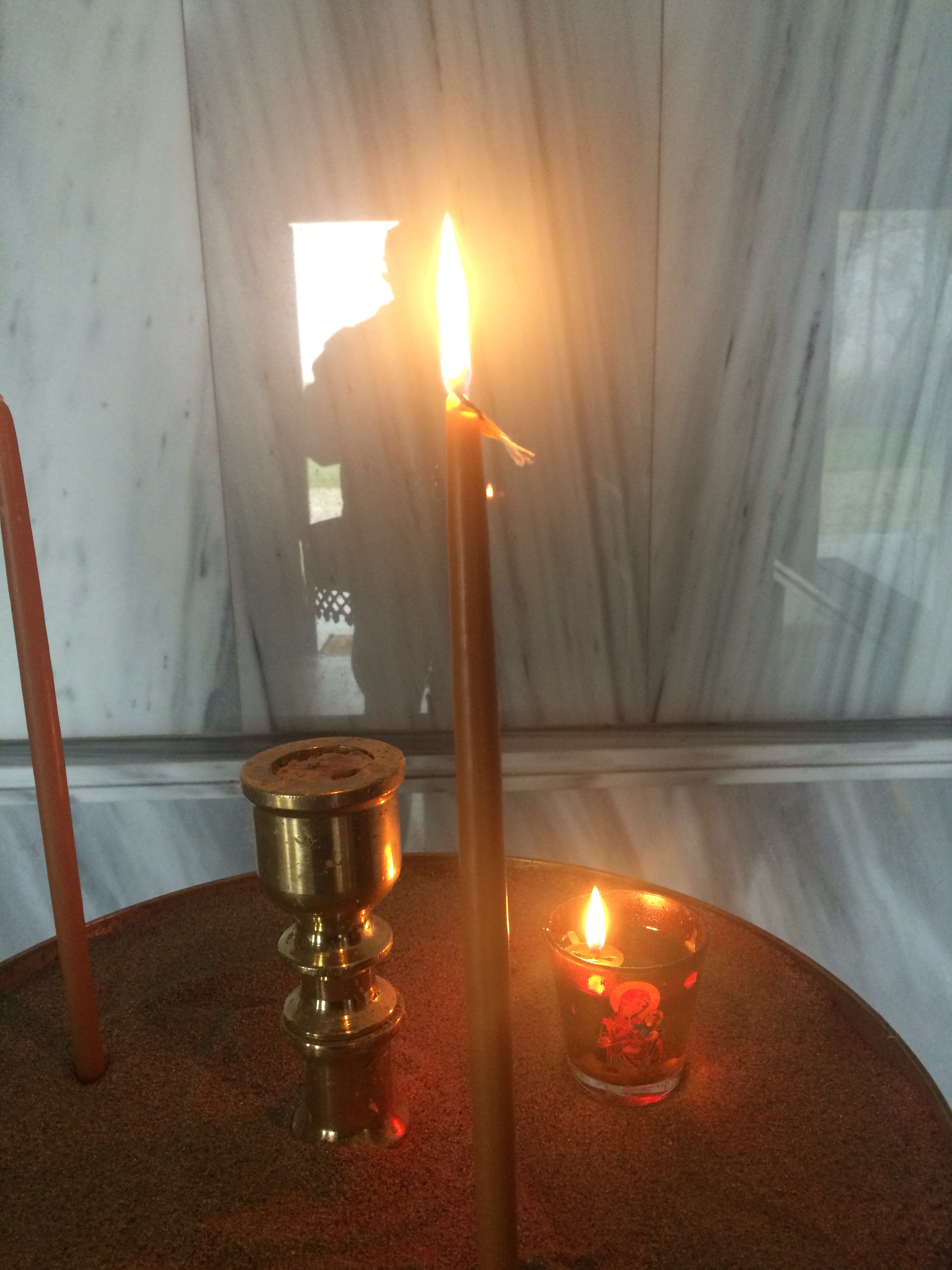 We were in Phillipi, where we
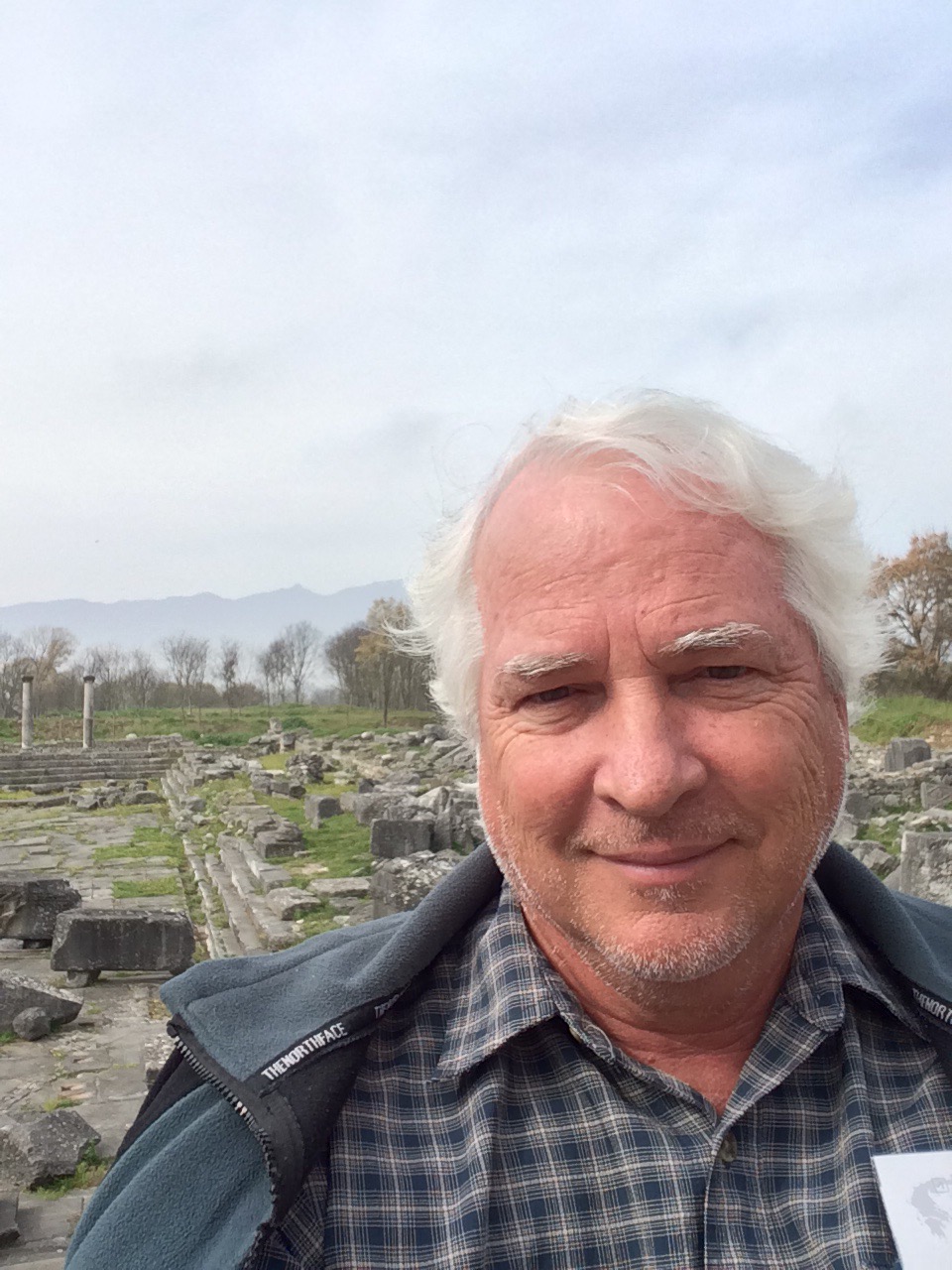 read from Acts 16 at the side of the river locally called Lydia’s River
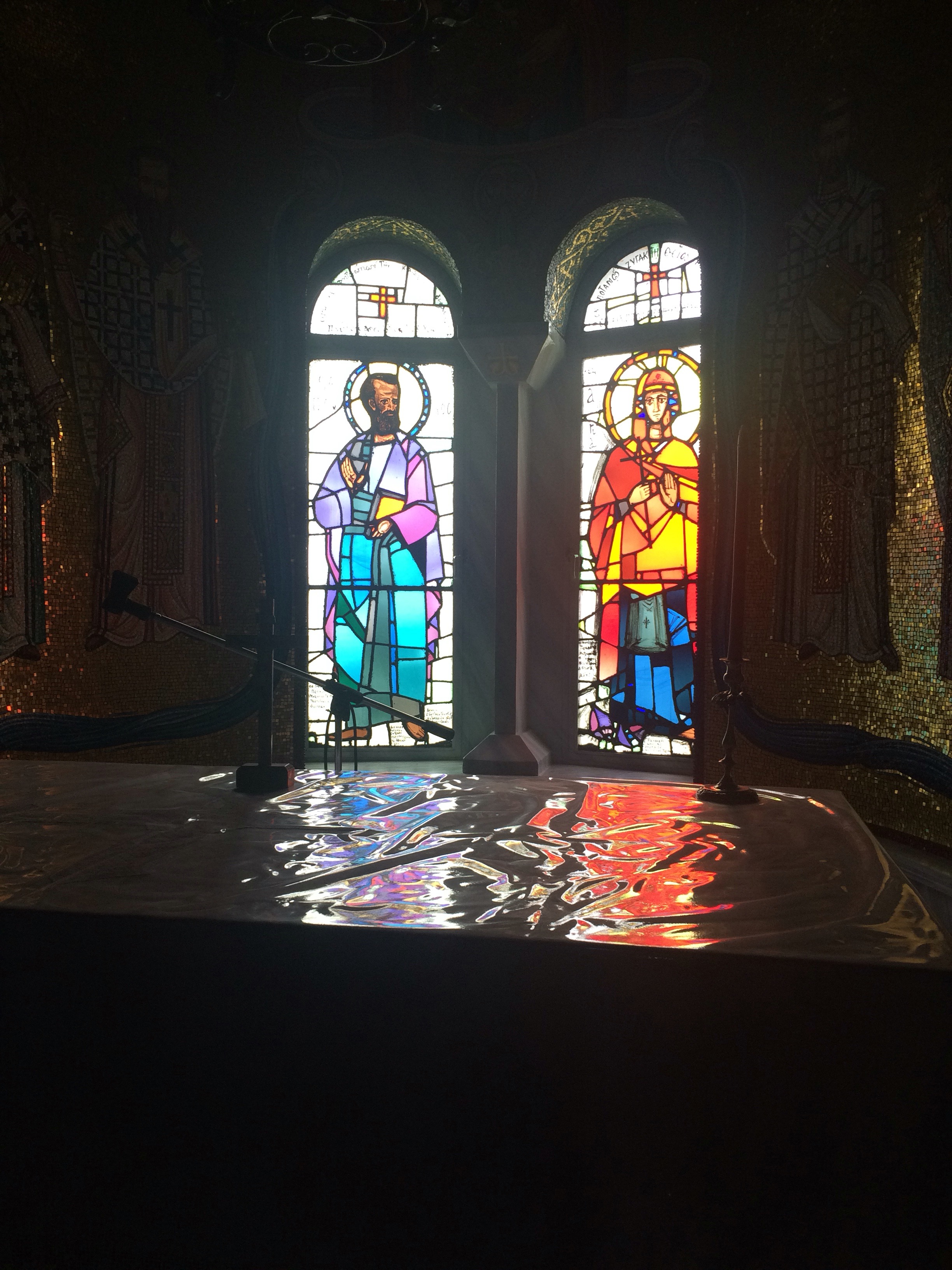 Then we went to the church a few feet away and heard Voula’s narration of the story, illustrated by analog power point (Cliff Krcha) beginning with these images of Paul and Silas.
Phillipi was extraordinary, and lightning the candle just as meaningful as it had been when I was a kid.
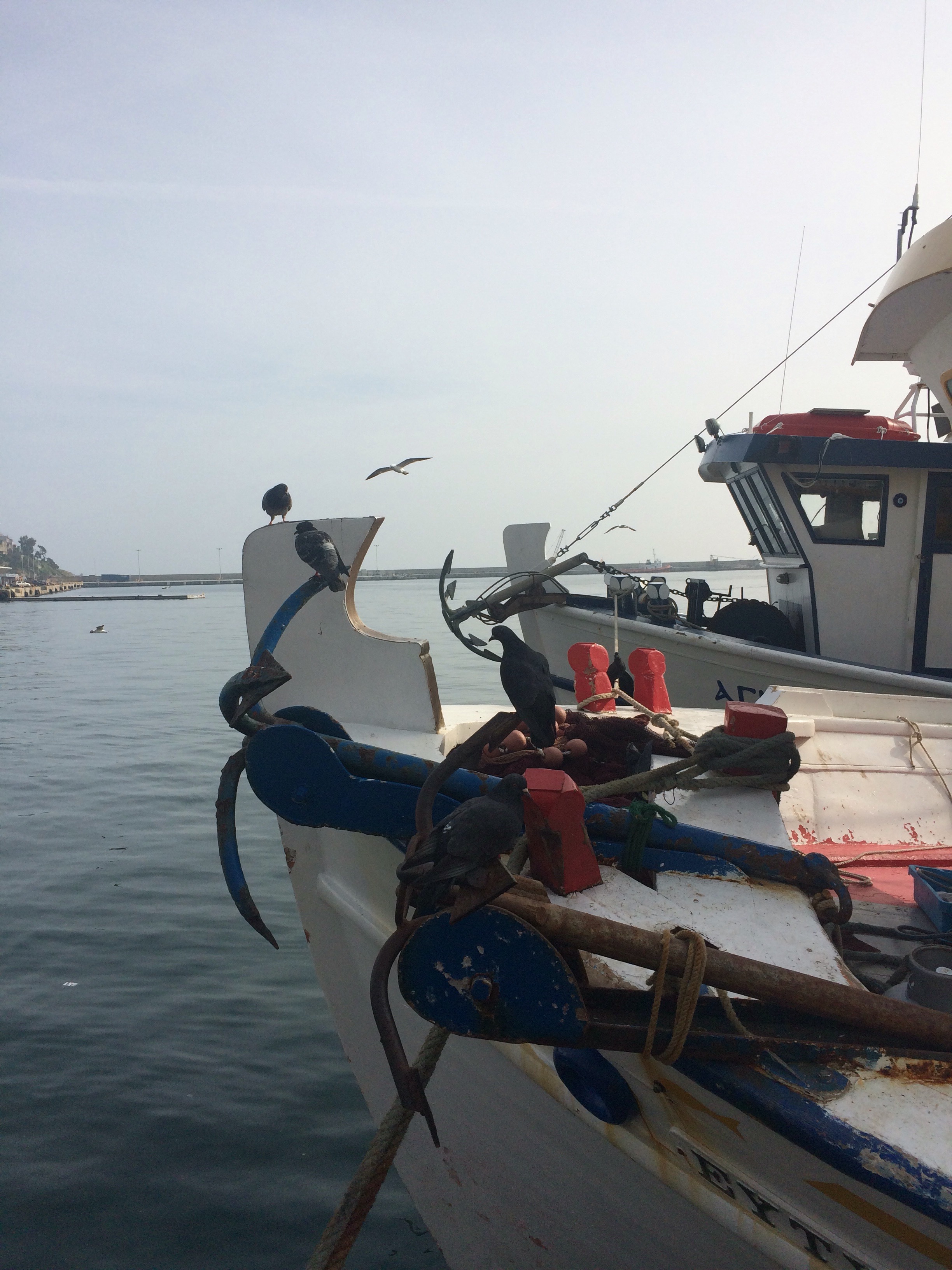 The smells of the Agean Sea reached my nose before I saw the glassy blue water; not strong, but sincere. Maybe like a pile of wet seaweed you knew was there but weren’t offended.
As you’ve read, I spent 6th, 7th, and 8th grades in a suburb of Athens, and have been keen to see the country again.
It hasn’t changed much. Still a dirty and aged and worn, just like it was 50 years ago. I’ve had the opportunity to speak a little Greek, to look at the fishing boats getting ready to go out.
I’m back. This is going to be a great week.
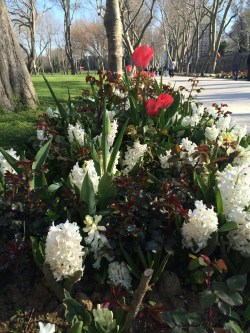
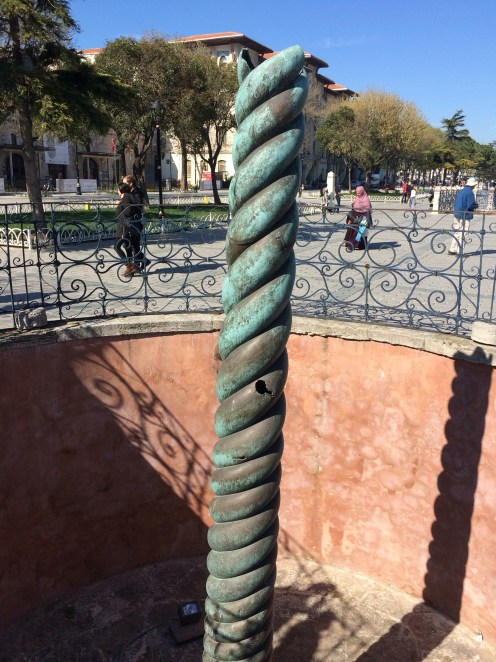
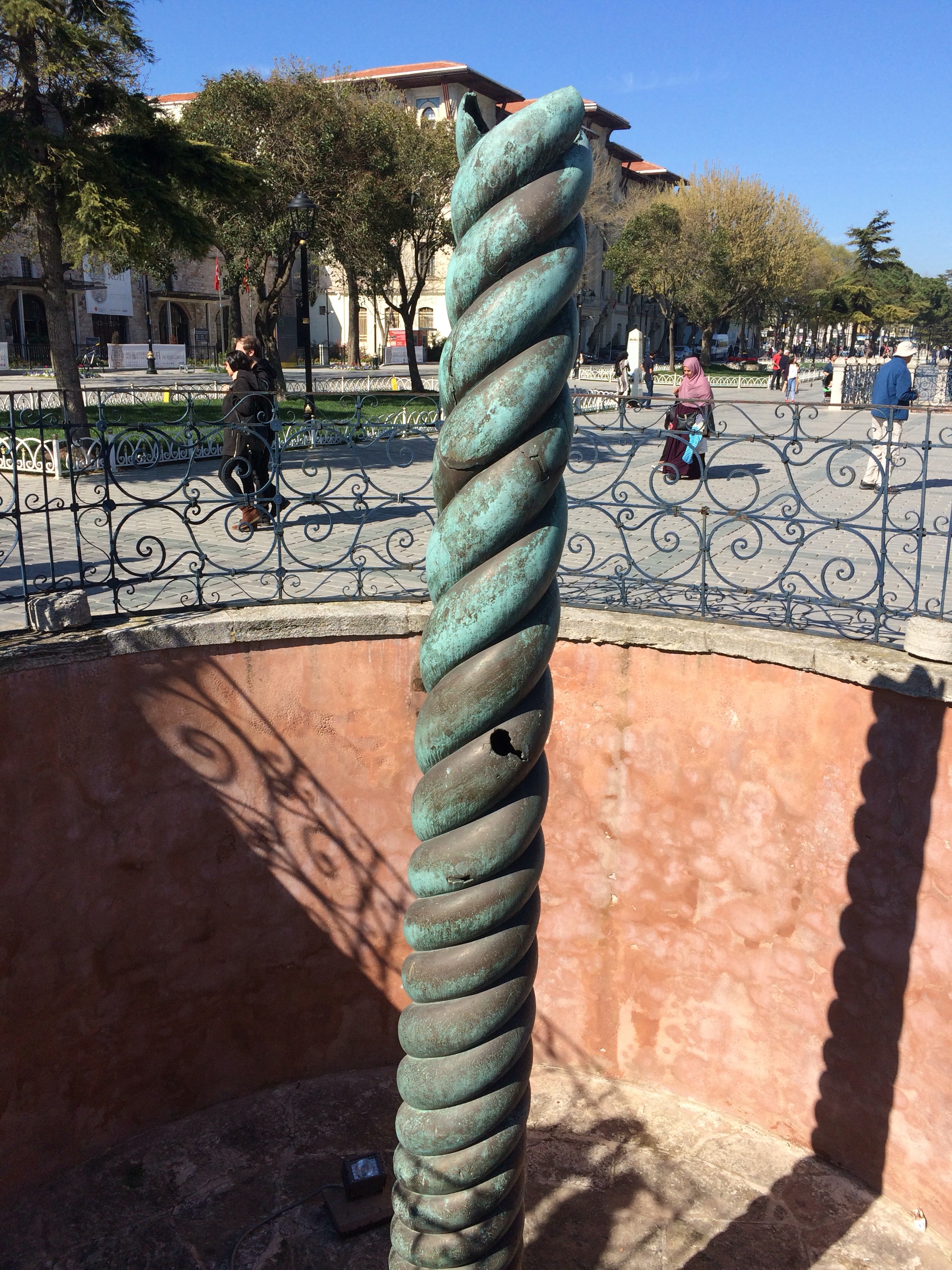
Everywhere I have been in the last 2 days has been brightly colored by tulips and other flowers. I was going to post something which stood out but everything stood out. The story we have been told by our guide Cenk is of a line of empires and people going back about 10,000 years – right here on the ground we were standing on. Seeing objects from grand palaces and individual people alike gives a context for understanding the human story far better than seeing these same things in a history book. The twisted steel column was in Greece at Delphi commemorating the victory of united Greek people over an invader, and it was wrecked by the crusaders and stolen by the ottomans and ended up on the horse racing track.
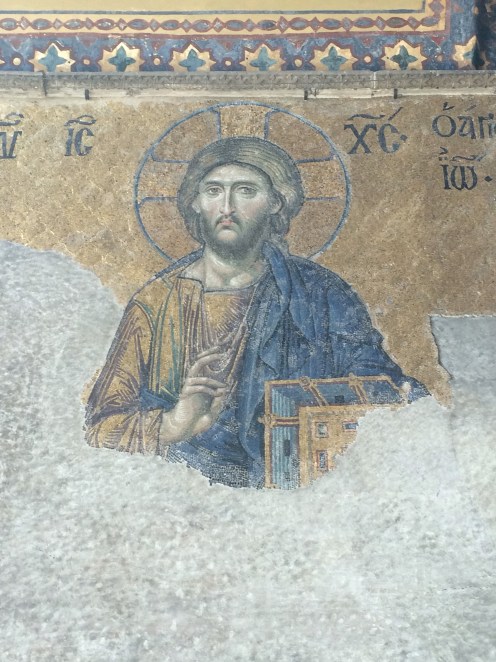
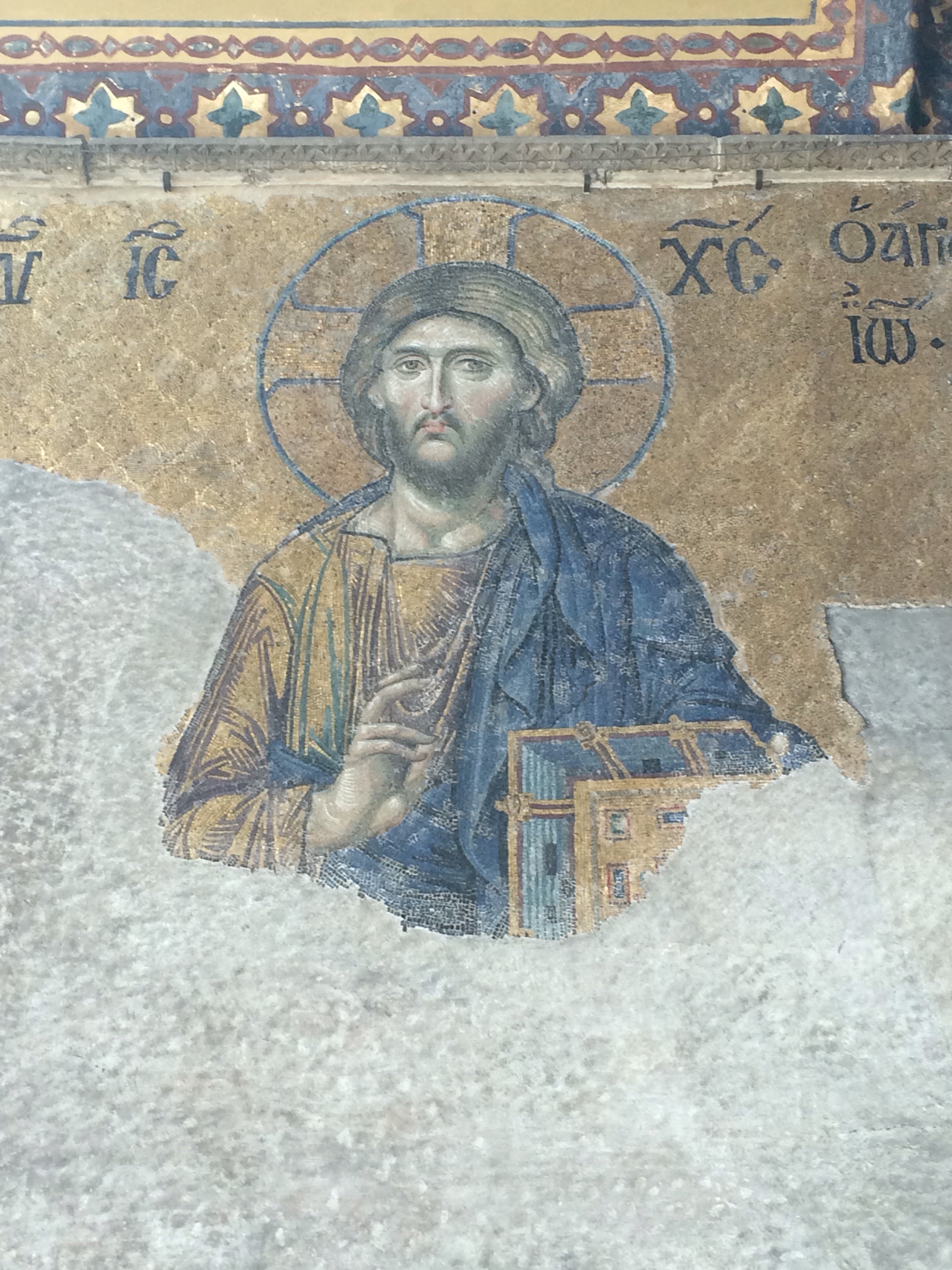
This amazing mosaic is in the Haguia Sophia, now a museum, one of the largest and earliest Christian church structures.
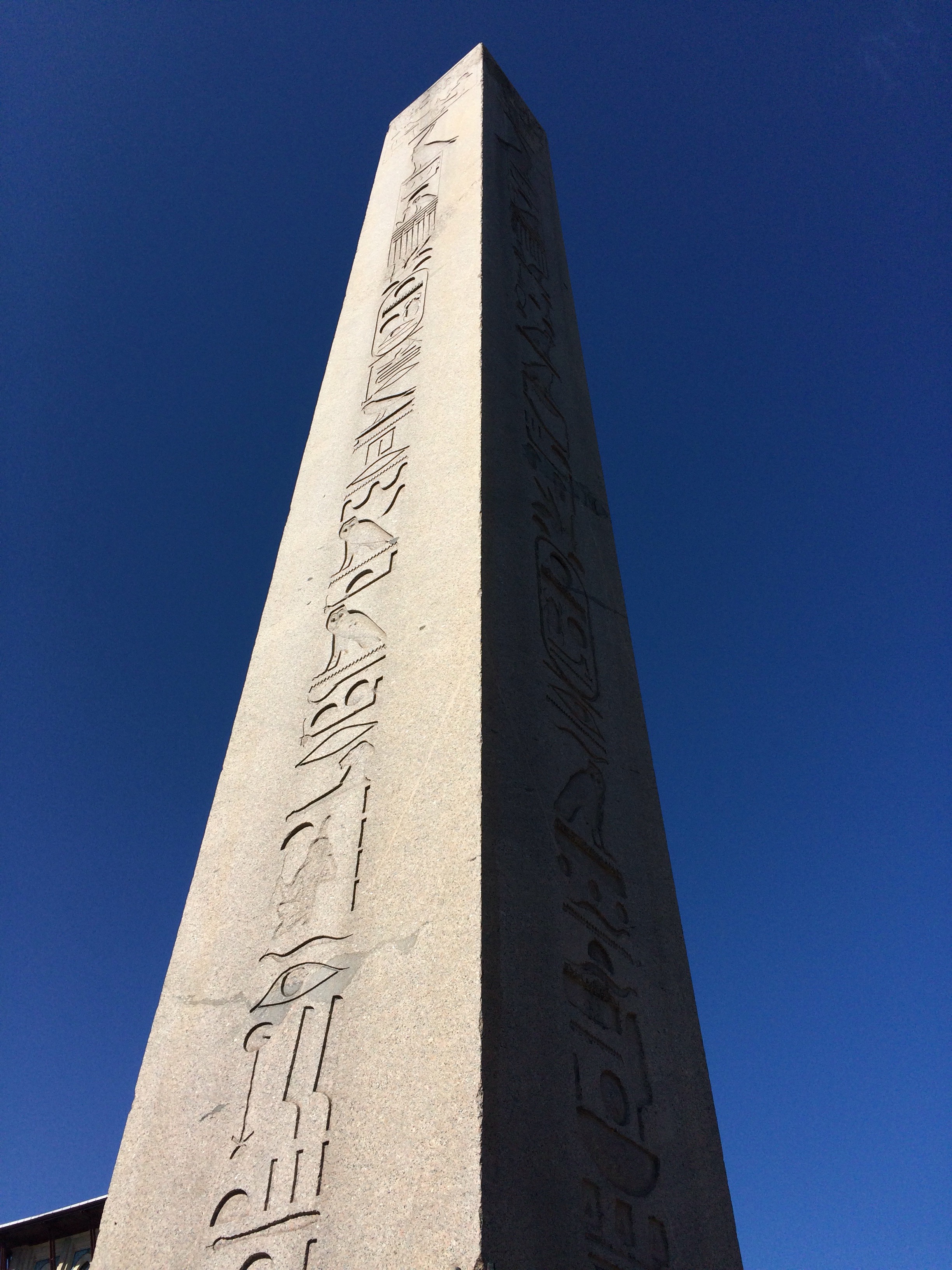
This obelisk was stolen from Egypt and brought to the horse track too. It is four or five thousand years old.
These decorative panels were from the first big organized culture in Babylon. Their beauty is incomparable.
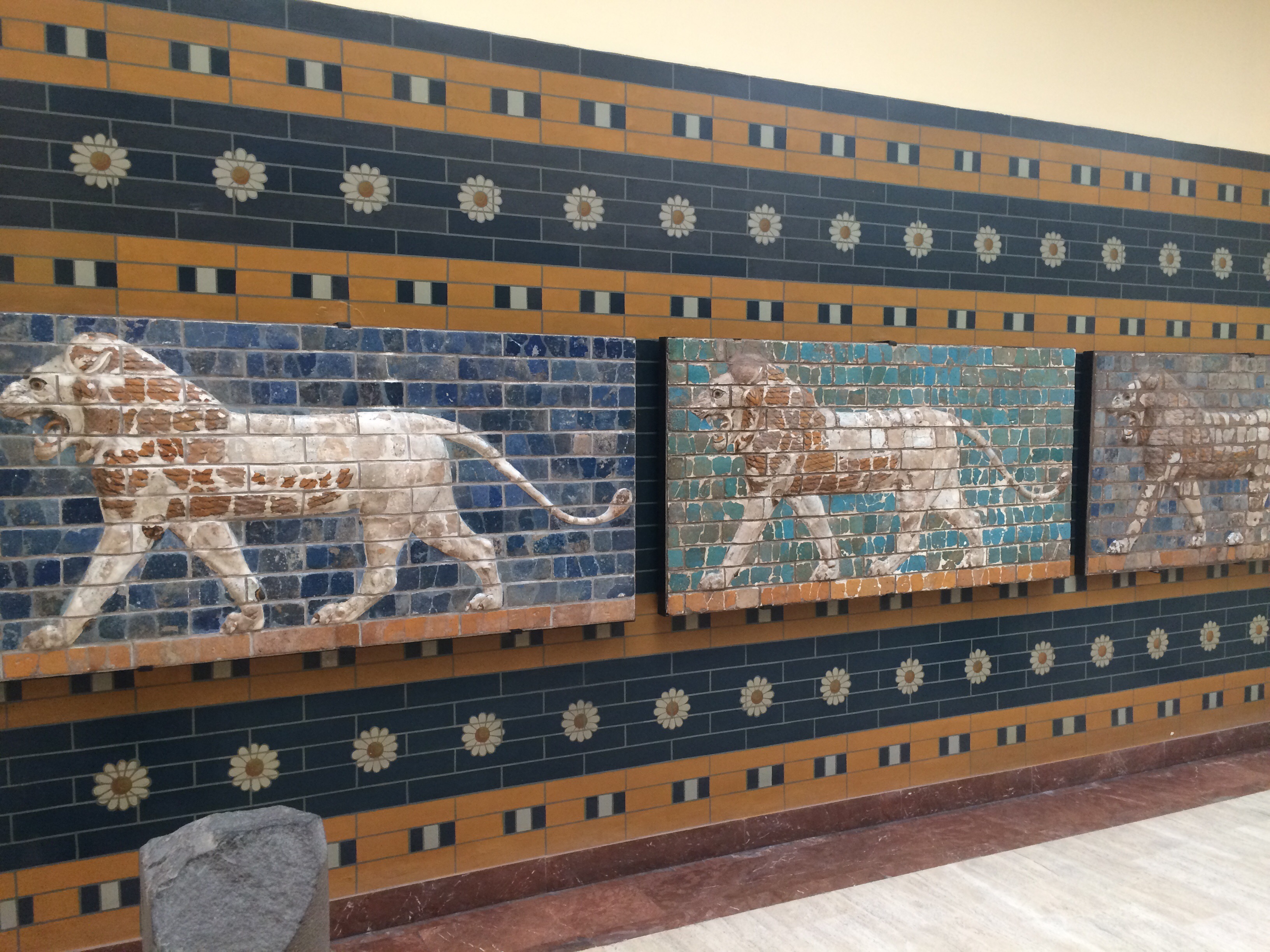
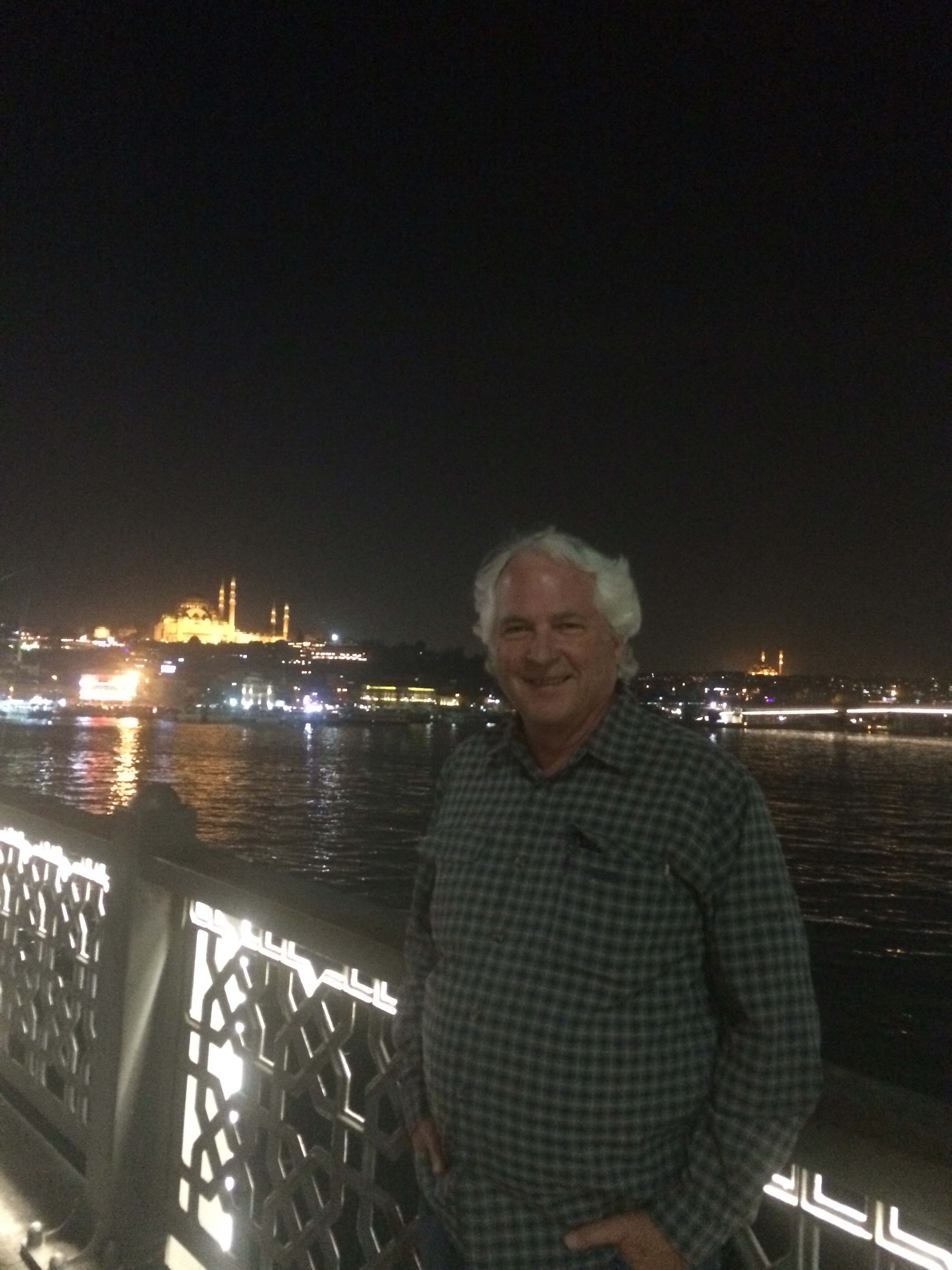 I am on a trip to Turkey and Greece learning about the first century world which the Apostle Paul lived in. After we landed in Istanbul this afternoon; a couple of things became immediately clear. First, this place is not Texas. The buildings and roads and bridges and styles of dress are very different. Second, if one of these people landed in Fredericksburg and dressed from Walmart, you would think they were one of US.
And, this place was old 2,000 years ago.
In our family’s travels in Greece in the 1960’s we visited a lot of Greek Orthodox churches, monasteries, and ruined cities. All of them seemed terribly old to me as a young teen ager, which of course, they were. One of these was built against a tall vertical cliff. The approach was via a trail perhaps a half mile long. My mother rode a donkey but the rest of us walked. The area was wooded and the main door of the building just suddenly appeared in front of us. The door was made of very large, old wooden timbers. My Dad pulled on the heavy iron ring used as a knocker.
Boom, Boom, Boom!
In a minute or so the door opened and a bearded older man wearing the clothes of an Orthodox monk (a black robe) invited us inside. The entry room was not large, with stairs leading upward and closed doors inward with barely enough room for the seven of us. The monk excused himself and disappeared through one of the doors, coming back in a few minutes with a tray holding seven small shot glasses filled with a liquor. I had no idea what it was; brandy perhaps. Even Melodie, who was seven or eight at the time, drank hers (which we all were surprised at). This reception alone was memorable in a family where alcohol was infrequent.
Eventually we were shown to dormitory rooms – one for men and one for women – which contained metal framed single beds, each with a stack of green US Army stamped blankets. I’m sure we were offered food – it was late in the day – but I do not recall supper. We were in bed as soon as it was dark as there weren’t any lights or heat in the old stone building. The weight of blankets seemed suffocating, but it got very cold and were all necessary. At midnight my Dad woke me up and took me to the chapel where they were celebrating midnight mass. There were quite a few brothers, perhaps fifty in all, and the most fascinating things to me were the chanting and the incense cantor swinging and releasing puffs of smoke.
I am not sure where this monastery is, although as cold as it was it must have been somewhere in northwestern Greece in the mountains. I’ve looked for photos of the front door, as I believe I could recognize it, but the views available on the internet now are likely very different – they probably have a paved road and parking lot and a sign to make it easier for tourists to find them. The image shown is Mega Spelio, which we did visit on that trip.
Growing up as a preacher’s kid was always interesting.
Fifty years ago my Dad took my older sister Adele and I out of school (Halandri Academy, Athens, Greece) and to the air base in Athens for a trip. When we got to the airplane, an old C-47, we found out that space available travel wasn’t possible as they had some last minute cargo which left no room for us. Not easily deterred, Dad drove us to Pireaus, the port of Athens, and we drove the car, a red and white VW Micro Bus, onto a ferry bound for Crete. The ship was quite large and we had a cabin. The voyage was overnight and we arrived at Crete the next morning. We travelled around Crete for a week and spent most of our time looking at the ruins of Minoan Civilization, most of which had been destroyed by an earthquake around 1450 BCE.
One memorable place was called Gournia. Tourism in the 1960’s wasn’t as pervasive as it is today, and we were the only visitors on a windswept hill overlooking the Mediterranean Sea. The ground was covered by ancient pottery shards which crunched under our shoes on every step. A middle aged Greek man offered to give us a guided tour. I kind of remember him; relatively short, at least compared to us, dressed in a long sleeved shirt and wool sweater and wool pants with a typical cap and traditional moustache. I don’t remember if he spoke Greek or English, as we all spoke both. I remember him pointing out to the north over the sea and saying, “Out there is Atlantis.”
At the time I didn’t know what to think about that statement but I have always remembered it. More recently it is known that the mountain in the center of the island exploded several thousand years ago, spewing ash and fire in to the sky and destroying most of the island. Santorini had been a center for culture and commerce in the ancient world, and may be the origins of the legend of Atlantis.
That’s my story and I’m sticking with it.
 robertcdeming